Part 1
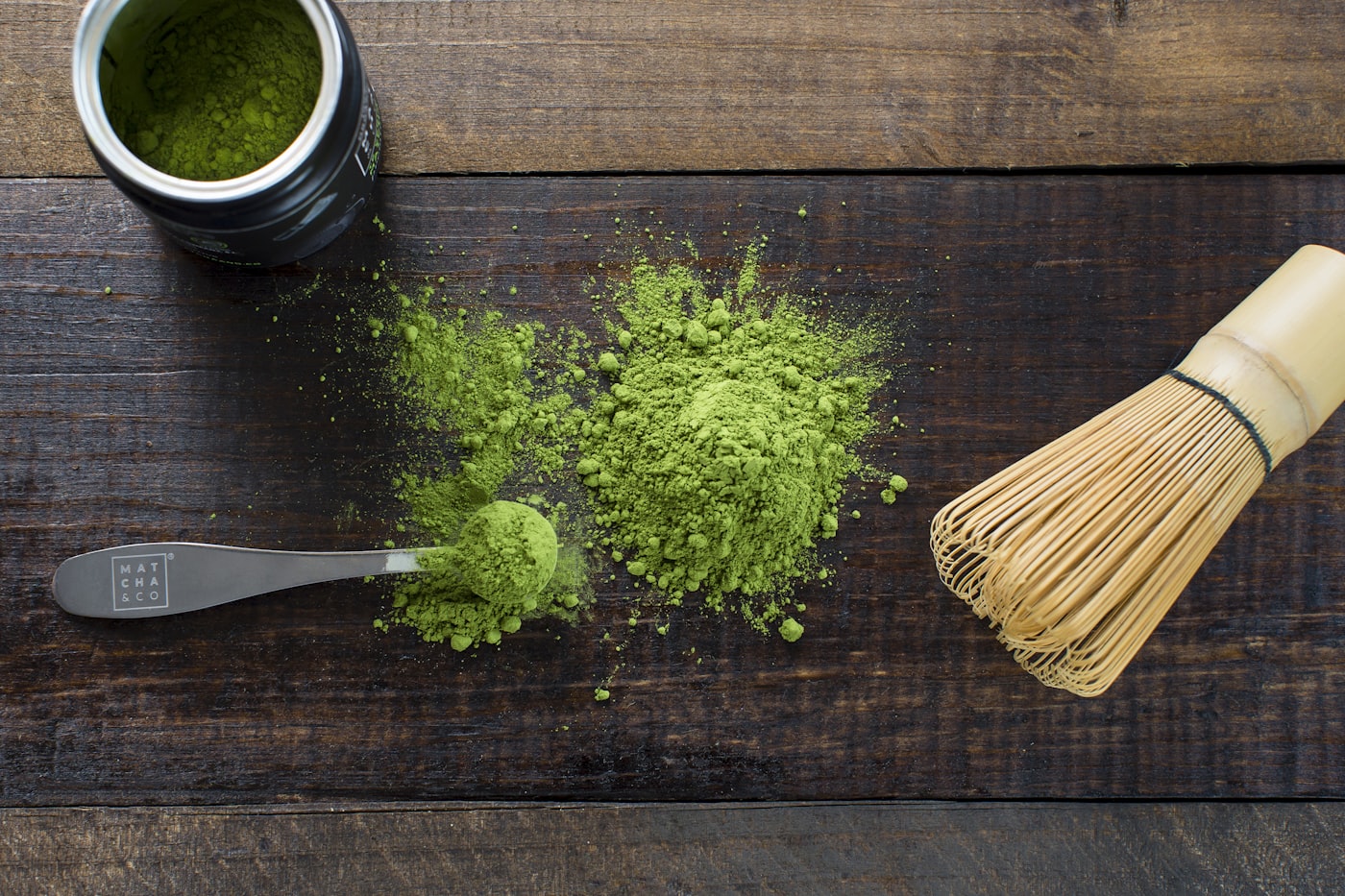
Matcha grades, and which one you need
Ceremonial grade is made from the youngest leaves, ground fine, and is meant to be whisked with water alone. Culinary grade is stronger and more astringent, made to hold its flavour against milk and sugar. Buying ceremonial grade for lattes is expensive; buying culinary grade for a plain bowl is disappointing.
- Ceremonial: whisked with hot water, drunk plain.
- Culinary or latte grade: milk drinks, baking, desserts.
- Store opened matcha cold and sealed; it loses colour and aroma within weeks.
Part 2
Tea beyond matcha
Sencha is the everyday green tea, gyokuro is shade-grown and sweeter, hojicha is roasted and low in caffeine, and genmaicha blends green tea with toasted rice. Each brews at a different temperature, and the difference between a good and a bad cup is usually water temperature rather than leaf quality.
- Sencha: 70-80°C, one minute.
- Gyokuro: 50-60°C, two minutes, small volume.
- Hojicha and genmaicha: near boiling, 30 seconds — good evening choices.
Part 3
Snacks that travel
Japan's confectionery aisle changes with the season, and regional flavours are genuinely regional. For an international parcel, sealed dry goods travel best: rice crackers, wafer biscuits, hard candies and individually wrapped chocolates in cooler months. Anything fresh, chilled or heavily chocolate-based in summer is a poor traveller.
- Rice crackers and senbei: robust, long shelf life.
- Wafer and biscuit boxes: sturdy and easy to gift.
- Chocolate is seasonal — best shipped outside the hottest months.
Part 4
Pantry staples worth importing
A small number of staples change home cooking more than any single snack: a good soy sauce, real mirin rather than a seasoning substitute, dashi, and a bottle of rice vinegar. These keep well, weigh little relative to their impact, and are noticeably better than the export-grade versions sold in most supermarkets abroad.
- Soy sauce: koikuchi for general use, usukuchi for lighter dishes.
- Hon-mirin is fermented; mirin-style seasoning is not the same thing.
- Instant dashi packs make the biggest difference for the least effort.
Part 5
Shelf life and shipping
Japanese packaging prints a best-before date rather than a use-by date on most dry goods, and the dates are conservative. When food crosses a border, both shelf life and the destination's food import rules matter, so the catalogue for each country only shows what can legally and sensibly arrive.
- Best-before dates are quality dates, not safety cut-offs, on sealed dry goods.
- Meat, dairy and fresh produce are not shipped internationally.
- Availability varies by destination because food import rules differ by country.