How to Build a Japanese Skincare Routine: A Step-by-Step Order of Application
A calm, practical guide to the order Japanese skincare goes on, from cleanser to sunscreen, plus how to start simple and adapt each step to your skin.
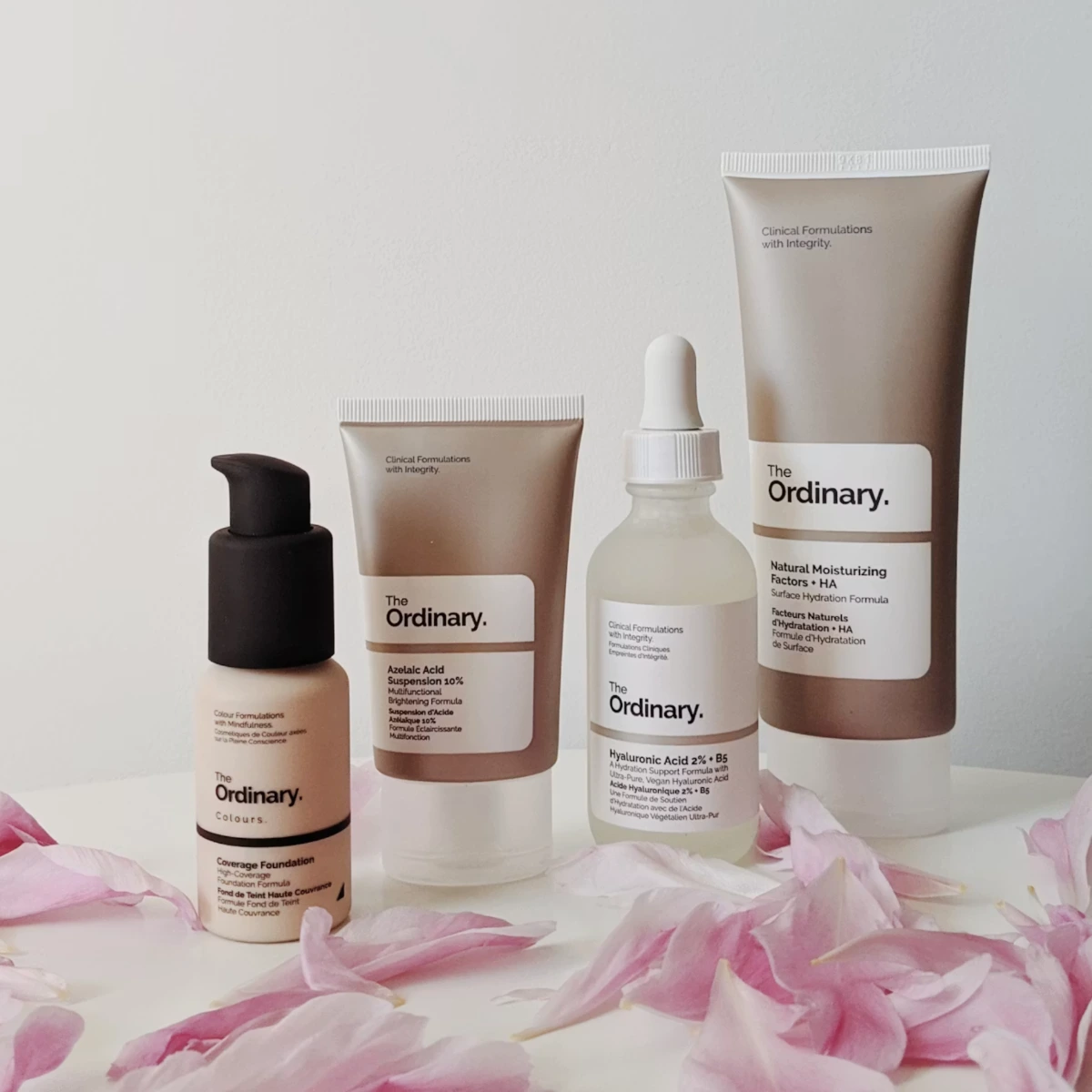
There is a particular logic to a Japanese skincare routine that becomes obvious the moment you see one laid out on a shelf: bottles arranged left to right in the order they are used, each one a little richer than the last. It follows a principle most Japanese ranges are built around, which is that skin is easiest to care for when hydration goes on first, thin and watery, and heavier textures follow to hold that moisture in place. Get the order right and even a modest set of products tends to feel more effective than an expensive one applied at random.
This guide covers the full order of application, from the first cleanse to the final layer of sunscreen, with the reasoning behind each step so you can adapt rather than memorise. We look at how a morning routine differs from an evening one, how to begin with three or four products and build up only if your skin asks for it, and how to adjust the sequence for oily, dry, combination and sensitive skin. The aim is a routine you can actually keep.
The one rule that governs the order
If you remember nothing else, remember this: apply products from the thinnest, most watery texture to the thickest, most occlusive. Water-based layers need to reach skin before oils and rich creams seal the surface, because a film of emollient on top blocks whatever you apply over it. Almost every decision about sequence follows from this single idea.
Japanese ranges lean into this more than most, and their named categories, from keshōsui (lotion or toner) through emulsion to cream, are simply markers along that thin-to-thick gradient. Learn the gradient and the labels start to make sense on their own.
The full order of application, step by step
Here is the complete sequence as most Japanese routines run it. Treat it as the master order and skip the steps you do not need.
- Cleanser. Remove the day. In the evening this is often two stages: an oil or balm cleanser to lift sunscreen and sebum, followed by a gentle foaming or cream wash. The morning cleanse can be much lighter.
- Lotion / toner (keshōsui). The signature Japanese first step. Unlike an astringent Western toner, keshōsui is a watery hydrating layer meant to prime and soften the skin. Press it in with the palms rather than wiping with a cotton pad.
- Essence or serum. The treatment step, where targeted actives live: brightening agents, hydrators such as hyaluronic acid, or barrier-supporting ingredients. Textures range from watery to lightly viscous.
- Emulsion (nyūeki). A lightweight milk sitting between a serum and a cream. It carries a little oil to help lock in the watery layers beneath without feeling heavy.
- Cream or moisturiser. The richer sealing layer. This is where drier skin gains most, and where oily skin may choose something very light or none at all.
- Eye cream, spot treatments, facial oil. Optional finishers. Oils, when used, come near the end because their occlusive nature would otherwise block the layers above.
- Sunscreen (morning only). Always the final skincare step in daylight hours, applied after everything else and before any makeup. More on its placement below, because it is the step people most often get wrong.
Not every product announces which slot it belongs to, so let texture decide. Tip a little onto the back of your hand: if it runs, it goes early; if it holds its shape, it goes late.
Morning versus evening: what actually changes
The order barely changes between morning and evening, but the purpose does, and that should guide which steps you include.
- Morning is about protection. A gentle cleanse, a hydrating layer or two, a moisturiser suited to your skin, and sunscreen to finish. Keep actives that increase sun sensitivity for the evening.
- Evening is about repair and thorough cleansing. This is the moment for double cleansing, richer treatments, and anything that works best undisturbed by daylight. Skin loses water more readily overnight for many people, so the sealing steps earn their place here.
- Sunscreen belongs only to the morning. There is no reason to apply it at night, and washing it off is the whole point of the evening cleanse.
A practical shorthand: your morning can be three or four steps, while your evening is where you invest the extra minutes. Very few people need a long routine at both ends of the day.
Start simple, then build
The most common mistake is starting with too much, which leaves you no way to tell which product is helping and which is quietly irritating your skin. Begin with a core and expand deliberately.
- The starter core. Cleanser, a hydrating lotion or toner, and a moisturiser. Add daytime sunscreen and you have a complete, genuinely functional routine that many people never need to exceed.
- The first upgrade. Introduce one essence or serum aimed at a specific goal you actually have, such as extra hydration or gentle brightening. Give it a few weeks before judging.
- The considered additions. An emulsion for lightweight sealing, a richer night cream in winter, an eye product if you want one. Add these one at a time so any reaction has a clear cause.
The Japanese approach values the feel of building thin, comfortable layers, sometimes described informally as a mizu-shabu softness where skin drinks in successive watery applications. That texture is a preference, not a requirement: two well-chosen products used consistently will always outperform six used haphazardly.
A gentle caution: introduce new products one at a time, and patch-test anything with active ingredients on your inner forearm for a few days before it goes near your face. If you layer several new items at once and your skin reacts, you will have no way of knowing which one was responsible. Slow is not only safer, it is more informative.
Adapting the order for your skin type
The sequence stays the same for everyone. What changes is which steps you emphasise, lighten, or drop.
- Oily and blemish-prone skin. Keep the sealing steps light. A watery lotion and a gel or fluid moisturiser are often enough, and you may skip the emulsion or the cream rather than layering both. Do not skip moisturiser entirely, as stripped skin frequently responds by producing more oil.
- Dry skin. This is where the full gradient pays off. Layer your lotion, let it sink in, add an essence and an emulsion, and finish with a richer cream. A facial oil as the final night step helps if the skin still feels tight.
- Combination skin. Treat different zones differently. You might apply a richer cream only to the cheeks while keeping the forehead, nose and chin lighter.
- Sensitive skin. Favour fewer steps and simpler formulas. Fragrance-free options, a minimal number of actives, and generous patch-testing matter more here than any product count.
Whatever your type, judge by how your skin feels an hour later, not the moment you finish. Comfortable and unremarkable is the goal; tight, greasy or stinging are all signals to adjust.
Where sunscreen goes, and why it matters
Sunscreen is the last skincare step of your morning, applied after your moisturiser has settled and before any makeup. Placing it earlier, beneath your hydrating layers, undermines the even protective film it is designed to form.
Two practical notes. First, apply more than feels natural, as most people use far too little to reach the protection a sunscreen is capable of. Second, in the evening, sunscreen is precisely what your first cleanse is there to remove, which is one of the strongest arguments for a proper oil or balm cleanse at night.
A worked example you can copy
Here is a pair of routines for typical combination skin; adjust the richness for your own type.
- Morning. Gentle water rinse or light cleanser, then hydrating lotion pressed in, then a light moisturiser, then sunscreen. Four steps, a few minutes.
- Evening. Oil or balm cleanser to remove sunscreen and grime, then a gentle foaming wash, then hydrating lotion, then a hydrating or brightening essence, then a slightly richer moisturiser on the drier areas.
Both follow the same thin-to-thick logic; the morning simply omits the treatment and double-cleanse steps that belong to the night.
Frequently asked questions
What order do I apply Japanese skincare?
Work from thinnest to thickest texture: cleanser, then lotion or toner (keshōsui), then essence or serum, then emulsion, then cream, and in the morning sunscreen last. The guiding rule is that watery, humectant-rich layers go on before anything oily or occlusive, so hydration reaches the skin before richer textures seal it in.
Morning versus evening, what changes?
The order is essentially the same, but the emphasis differs. Mornings are about protection and are usually shorter, ending in sunscreen, while evenings are about thorough cleansing and repair, which is where double cleansing and richer treatments belong.
How many steps do I really need?
Three core steps plus sunscreen make a complete routine: cleanser, a hydrating lotion, a moisturiser, and daytime sun protection. Everything beyond that is optional refinement, and plenty of people with healthy skin never go further. Add extra steps only when you have a specific goal.
Where does sunscreen go?
Sunscreen is the final skincare step of the morning, applied after your moisturiser has settled and before any makeup, so it can form the even protective film it is designed for. At night you do not use it at all, and removing the day's sunscreen is one of the main jobs of your evening cleanse.
Can I mix Japanese and other skincare?
Yes. The thin-to-thick principle is universal, so a Japanese lotion sits happily beside a serum or moisturiser from elsewhere as long as you keep textures in sequence. Introduce any new product on its own and patch-test actives first, so that if your skin reacts you can identify the cause.
Related reading: Explore hydration layering for a closer look at the watery early steps, and reading ingredient labels to help you choose what goes in each slot.