Traditional Japanese Skincare Ingredients Explained: Rice, Green Tea, Sake, Camellia & More
Rice, green tea, sake ferment and camellia oil — the traditional Japanese skincare ingredients behind modern formulas, what each one does, and how to layer them.
Long before the word serum existed, Japanese beauty rituals were built from the pantry and the rice paddy. Rice water softened the skin of women who rinsed their hair with it; green tea calmed and protected; camellia oil sealed in moisture through dry Tokyo winters. These were not marketing stories but daily practice, refined across centuries and passed between generations. What is striking is how little the logic has changed. Open a modern Japanese essence or lotion and the same names appear on the label, now standing beside their measured actives.
This guide walks through the traditional Japanese skincare ingredients that still anchor contemporary formulas: what each one does, who it suits, and where you are most likely to find it. The aim is not nostalgia but usefulness. Understanding the raw material makes it easier to build a routine that is calm, deliberate, and suited to your own skin.
Rice (米)
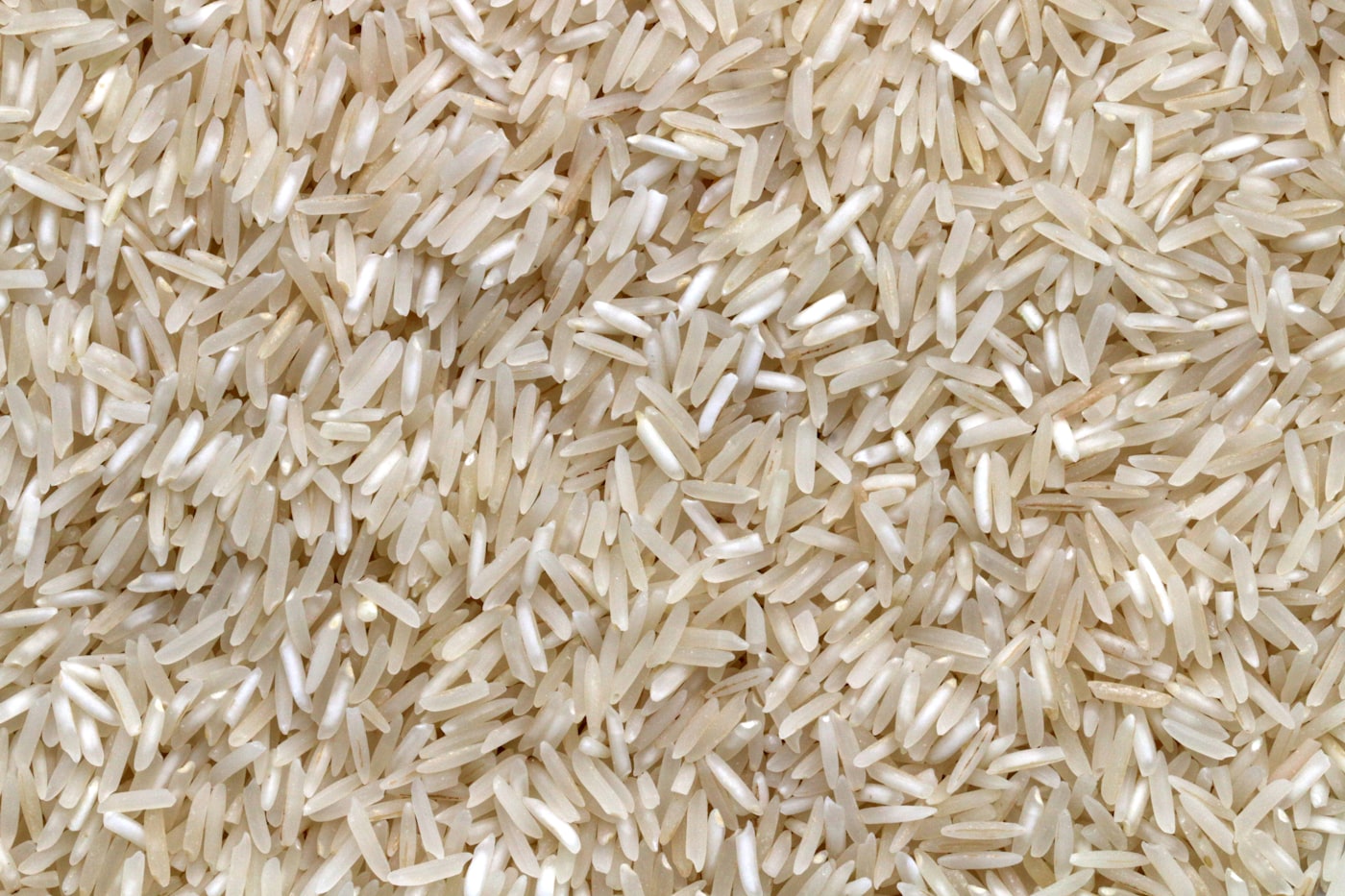
Rice is the foundational ingredient of Japanese skincare, woven into the culture as deeply as it is into the diet. The tradition of using rice water for skin dates back to the Heian court, where women were said to rinse their long hair in the cloudy water left from washing rice, prizing the softness and sheen it left behind. That same water, rich in starches and soluble nutrients, was applied to the face and hands.
The chemistry behind the ritual is real. Rice and rice bran are rich in B vitamins, vitamin E, ferulic acid, and amino acids, along with inositol and gamma-oryzanol, compounds studied for their antioxidant and barrier-supporting behavior. Rice bran (nuka) was also the original gentle cleanser, kept in a small cloth pouch and pressed against damp skin to lift away grime without stripping.
- What it does: softens, brightens, gently exfoliates, and evens tone.
- Best for: dull, rough, or uneven skin; suitable for most types.
- Found in: rice-water toners, rice-bran (nuka) cleansers and powders, brightening essences.
Green tea (緑茶)
Green tea arrived in Japan from China more than a thousand years ago and became central to both ceremony and everyday life. In skincare, green tea skincare draws on the same leaf, and increasingly on matcha, the stone-ground powder used in the tea ceremony. Because matcha is the whole leaf rather than an infusion, it concentrates the plant's protective compounds.
The key actives are catechins, especially EGCG (epigallocatechin gallate), among the most studied plant antioxidants. Green tea also contains caffeine, which can help visibly de-puff, and tannins that lend a mild astringent, oil-balancing quality. Its calming reputation for reactive, redness-prone skin is well earned.
- What it does: antioxidant defense, soothes visible redness, balances excess oil.
- Best for: sensitive, combination, and blemish-prone skin.
- Found in: toners, clay and gel masks, daytime antioxidant serums.
Sake and rice ferment (酒粕)
One of the most quoted origin stories in Japanese beauty concerns sake brewers, whose faces showed their age but whose hands stayed remarkably soft and smooth from years of contact with fermenting rice mash. That observation pointed the industry toward fermentation as a skincare method. The sake kasu ferment — kasu being the lees, or pressed rice residue left after brewing — remains a prized ingredient.
Fermentation breaks rice down into smaller, more readily usable molecules: amino acids, peptides, organic acids, and enzymes. The result is an ingredient that hydrates and smooths while lending the soft luminosity often described as mochi-hada, or rice-cake skin. Ferment essences and lotions built around sake kasu or rice ferment filtrate are a signature of the category.
- What it does: hydrates, softens, refines texture, and adds radiance.
- Best for: most skin types seeking a smoother, more even surface.
- Found in: ferment essences, milky lotions, and treatment toners.
Camellia oil (椿油 / tsubaki)
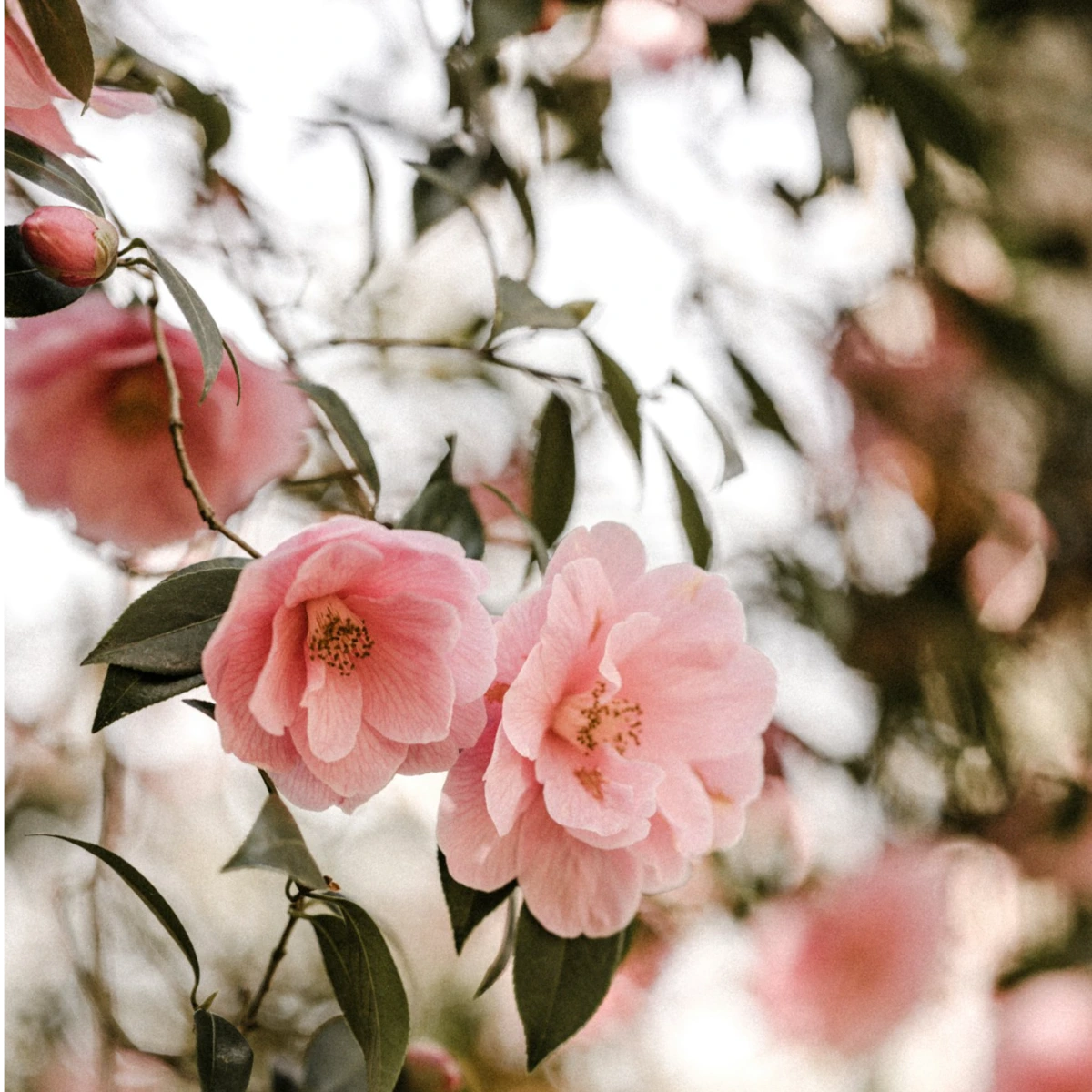
Pressed from the seeds of Camellia japonica, camellia oil tsubaki has been used in Japan for well over a thousand years, historically to condition hair, protect skin from wind and cold, and even to oil the blades of samurai swords. On the island of Izu Oshima, tsubaki cultivation remains a point of regional pride.
Its appeal is largely a matter of fit. Camellia oil is high in oleic acid, giving it a composition close to skin's own sebum, so it absorbs cleanly and seals moisture without a greasy film. It also carries antioxidant vitamin E. As a final step it locks in the water-based layers beneath it, and a single drop smoothed through the ends of the hair echoes its oldest use.
- What it does: seals in moisture and softens, with a light, sebum-compatible feel.
- Best for: normal to dry skin, and dry hair ends.
- Found in: facial oils, cleansing and finishing balms, hair care.
Seaweed and algae (海藻)
An island nation with one of the world's great fishing cultures naturally turned to the sea for care as well as food. Seaweeds such as kombu and wakame, long staples of the Japanese table, are mineral-dense and rich in polysaccharides that hold water against the skin.
Those polysaccharides form a light, breathable film that supports hydration, while trace minerals and amino acids condition. For skin that reads as tired, tight, or dehydrated, marine ingredients offer replenishment without heaviness.
- What it does: delivers deep, cushioning hydration.
- Best for: dehydrated, dull, or fatigued skin.
- Found in: hydrating sheet masks, gel-cream moisturizers, essences.
Yuzu (柚子)
The fragrant yuzu citrus is best known for the yuzu-yu, the winter solstice bath in which whole fruits float in hot water to warm the body and lift the spirits. In skincare, yuzu peel and extract bring a naturally high vitamin C content along with aromatic oils, contributing antioxidant support and a bright, clean scent that suits refreshing formulas.
- What it does: antioxidant support and a lightweight, revitalizing feel.
- Best for: dull or tired skin wanting freshness; sensitive skin should watch for fragrance.
- Found in: toners, mists, body and hand care.
Adzuki bean (小豆)
Ground adzuki beans have been used as a gentle exfoliating powder in Japan for centuries. Milled fine and mixed with water into a paste, the beans provide soft mechanical polishing along with saponins that lightly cleanse, making them a traditional companion to rice bran in the wash routine.
- What it does: gently exfoliates and clarifies without harsh abrasion.
- Best for: rough or congested skin; use with a light hand.
- Found in: powder cleansers, polishing masks, scrubs.
Pearl and Job's tears (真珠 / はと麦)
Two further traditional materials round out the picture. Pearl (shinju), long associated with Japan's cultured-pearl industry, is used in powdered form for a soft brightening, conditioning finish and carries amino acids and trace minerals. Job's tears (hatomugi), a grain relative sometimes called adlay, has a long history in Japanese and wider East Asian care as a soothing, texture-refining ingredient.
- What it does: pearl lends a subtle luminous finish; hatomugi soothes and smooths.
- Best for: uneven tone and texture; hatomugi suits blemish-prone skin.
- Found in: brightening essences, milky lotions, sheet masks.
How to layer them
Japanese routines favor thin, deliberate layers applied from the most watery to the richest, giving each step time to settle.
- Cleanse with a gentle foam or rice-bran (nuka) wash.
- Tone with a rice-water or green-tea lotion to soften and prep.
- Treat with a sake kasu ferment essence or a vitamin serum.
- Seal with camellia oil (tsubaki) or a moisturizer.
- Protect with sunscreen every morning, without exception.
New to layering? Keep it to three steps — cleanse, hydrate, protect — and add treatments only once that base feels comfortable. A simple routine done consistently outperforms a complex one done occasionally.
Quick reference
- Rice (米): softens, brightens, gently exfoliates — rice-water toners, nuka cleansers.
- Green tea (緑茶): antioxidant, soothes redness, balances oil — toners, masks, day serums.
- Sake kasu ferment (酒粕): hydrates and refines for radiance — essences, ferment lotions.
- Camellia oil (椿油): seals moisture, sebum-compatible — facial oils, balms, hair care.
- Seaweed and algae (海藻): deep hydration — masks, gel moisturizers.
- Yuzu (柚子): antioxidant, refreshing — toners, mists.
- Adzuki (小豆): gentle exfoliation — powder cleansers, scrubs.
- Pearl and Job's tears (真珠 / はと麦): brightening and soothing — essences, lotions, masks.
Frequently asked questions
Are traditional Japanese skincare ingredients good for sensitive skin?
Many are, which is part of their enduring appeal. Green tea, rice, and ferment ingredients are generally well tolerated and often chosen specifically for reactive skin. That said, fermented ingredients and fragrant botanicals such as yuzu can occasionally provoke a response. Patch-test any new product on the inner forearm or behind the ear for a few days before applying it to the face.
Can I use rice water for skin alongside a vitamin C serum?
Yes. Rice already contains ferulic acid, a compound often paired with vitamin C in Western formulas to stabilize and boost it, so the two are complementary. Apply your vitamin C serum on clean skin first, then follow with rice-based lotions or essences. Introduce one new active at a time so you can tell how your skin responds.
Is camellia oil tsubaki too heavy for oily skin?
Camellia oil is lightweight and close in composition to skin's own sebum, so it absorbs more cleanly than many richer oils. Even so, it delivers the most obvious benefit to normal, dry, and mature skin. Oilier skin types who want to try it should use a single drop as the final step at night, or focus it on drier areas and the hair.
What is the difference between sake kasu ferment and a plain rice extract?
A plain rice extract delivers rice nutrients more or less as they are. A sake kasu ferment has been broken down by fermentation into smaller amino acids, peptides, and organic acids that the skin can use more readily, which is why ferment essences are associated with that soft, luminous finish. If you are choosing between them, ferments tend to feel more active; simple rice extracts are a gentler entry point.
How long before I see results from green tea skincare and other traditional ingredients?
Hydration and comfort are usually noticeable within a few uses. Changes in tone, texture, and clarity are gradual and depend on consistent use, typically over four to eight weeks. These ingredients reward patience and routine rather than intensity, which is very much in keeping with the tradition they come from.
Related reading: To go deeper, explore the art of Japanese hydration and layering for a closer look at toners and lotions, learn how to read a Japanese ingredient label so you can spot these ingredients yourself, and see how the philosophy compares in Japanese vs Korean skincare.