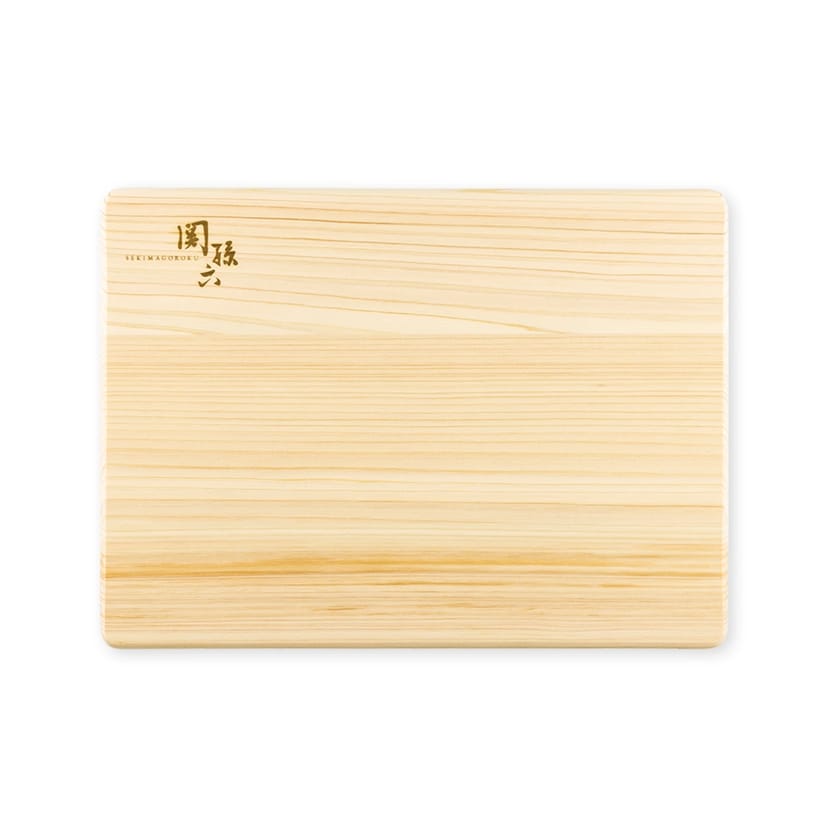
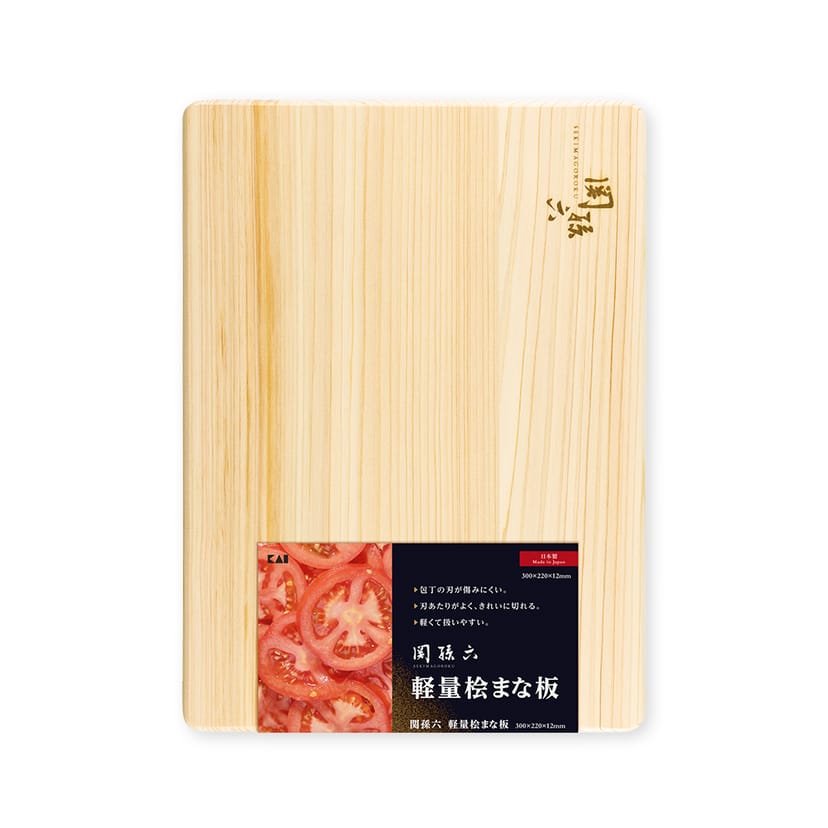
Kai Seki Magoroku Lightweight Cypress Cutting Board 300×220mm
539,000 UZS
In stock
Size
Express · Est. arrival Nov 30 – Dec 2 (4–6 days)
Standard · Est. arrival Dec 7 – Dec 15 (11–19 days)
| Japanese name | 貝印 関孫六 軽量 桧まな板 |
|---|---|
| Brand | KAI Seki Magoroku |
| Maker | Kai Corporation |
| Made in | Japan |
| Pack | 300×220mm |
| Weight with packaging | 375 g |
| Package size | 300 × 220 × 12 mm |
| JAN | 4901601189223 |
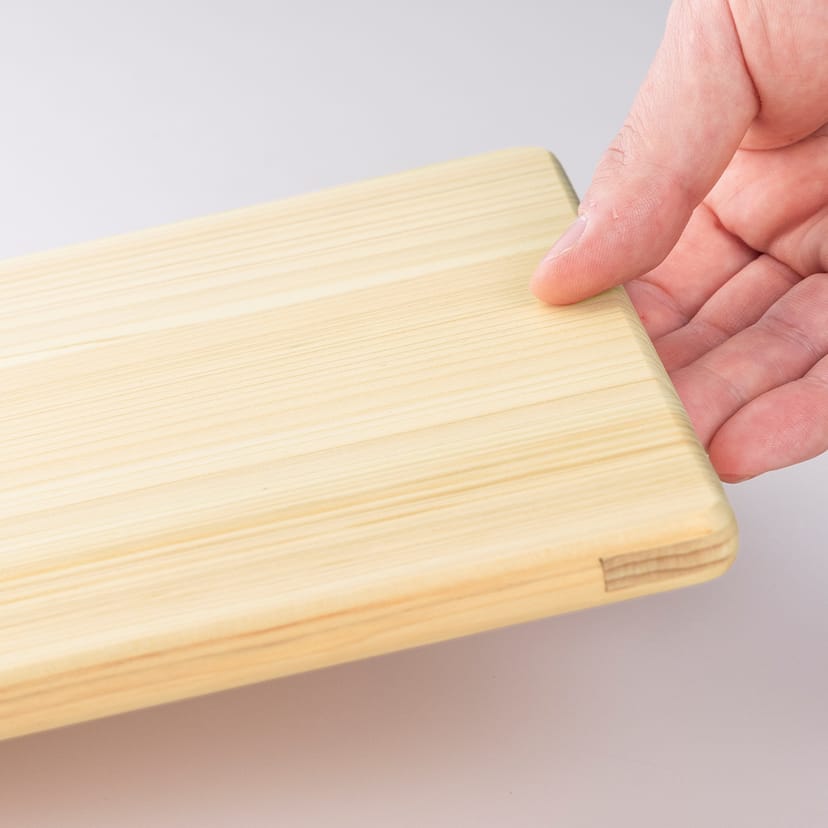
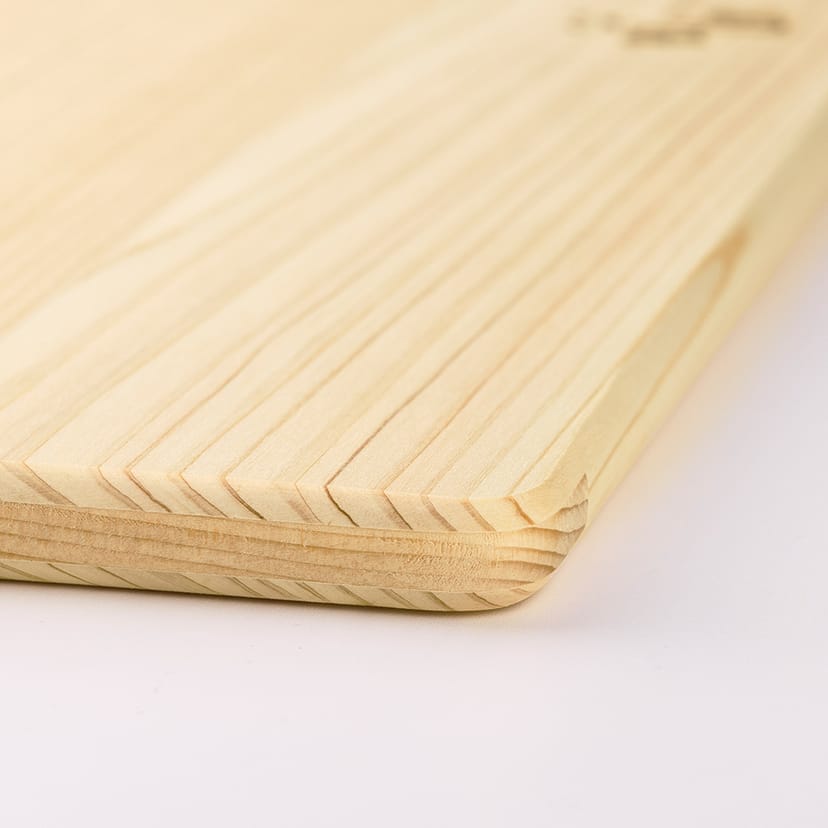
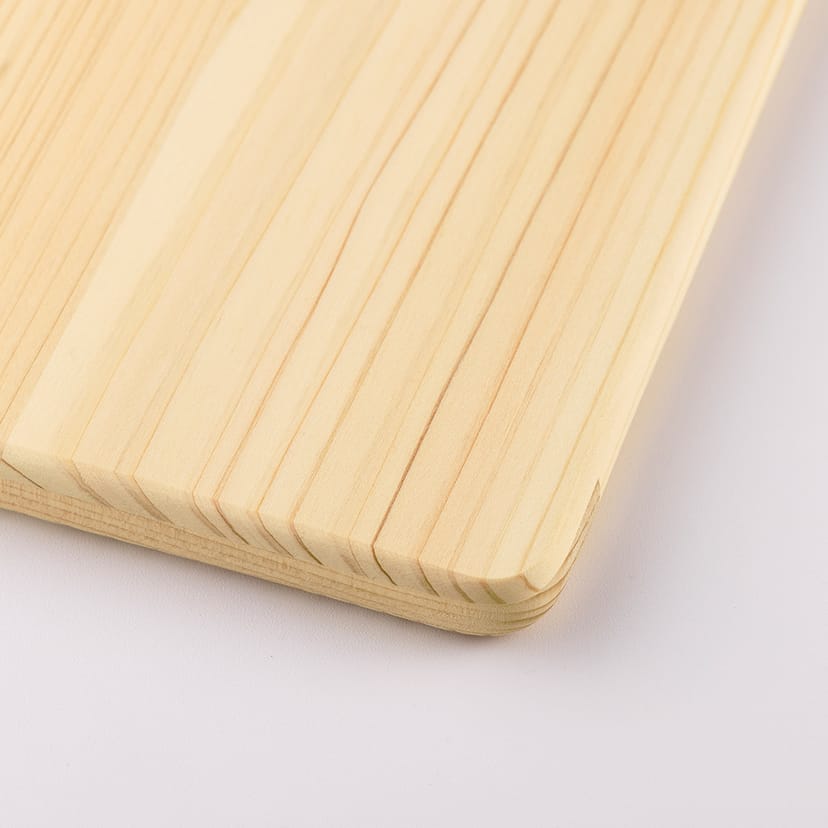
A wooden cutting board made of natural cypress, which is gentle on knife blades. It features slanted edges for easy lifting and a lightweight design for comfortable handling.
Made of natural cypress, this cutting board offers a gentle surface that protects your knife blades. The slanted edges make it easy to lift and handle. It is treated to prevent warping for long-lasting use. Its lightweight design provides comfort for daily cooking.
- Material: Cypress
- Country of Origin: Japan
Tracked shipping from Japan to Uzbekistan. Duties may be due on delivery. Shipping & customs · Returns & refunds
About this product
A lightweight cutting board made of hinoki cypress grown in Japan, from Kai's Seki Magoroku brand, in 2 sizes: 300×220mm and 360×240mm. While the same Seki Magoroku Kai Seki Magoroku Hinoki Cutting Board is 20mm thick in its 450×300mm size, the 300×220mm board here is a slim 12mm thick and weighs about 390g.
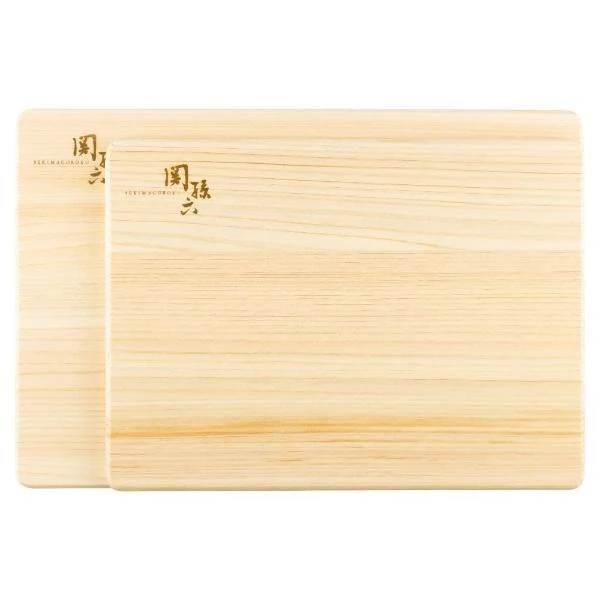
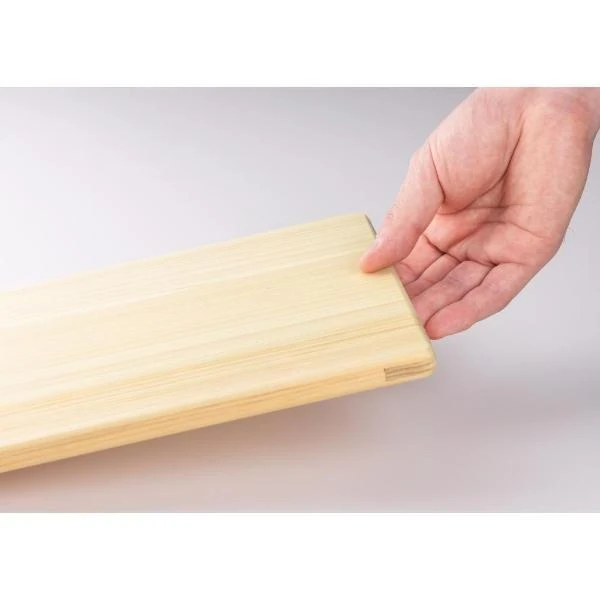
Key ingredients and materials
The material is hinoki cypress grown in Japan. The maker explains that the wood's moderate springiness absorbs the impact of the knife coming down and limits chipping and wear of the blade, so the knife stays sharp longer. The board has its 4 corners cut away, so fingers fit under it even when it lies flat on the counter and it can be lifted with wet hands. The sides, where water soaks in most easily, are coated with urethane resin, and the board is finished to resist warping even though it is thin.
How to use
- Before first use, wash it well with dish soap.
- Wet the surface with water before use, which makes stains less likely to stick.
- After use, wash it with water first, not hot water. Using hot water first sets the protein of fish and meat and tends to leave odours.
- Wash with detergent on a soft cloth or sponge and wipe off the water. If you prefer not to use detergent, scrub it with salt.
- Stand it on its side in a cutting board stand and dry it in the shade so both sides dry.
When to use it
The 300×220mm is the smaller size and suits cutting a small amount of herbs or fruit, preparing breakfast and kitchens with limited workspace, and it also works as a second board. This size is thin and light at 12mm, so it is easier on the wrist when you move cut food straight into a pot, or when you wash and dry it. The 360×240mm is the larger size, suited to cutting meat and large vegetables for everyday main dishes or to mincing with plenty of room, and it works as a main board.
How it compares
| Product | Size | Weight | Material |
|---|---|---|---|
| Seki Magoroku Lightweight Hinoki Cutting Board 300×220 | approx. 300×220×12mm | approx. 390g | Hinoki |
| Seki Magoroku Hinoki Cutting Board (450×300mm size) | 450×300×20mm | 1268g | Hinoki, resin-coated sides |
| Seki Magoroku Master Line Cutting Board M | 380×210×13mm | 1300g | Synthetic rubber |
Storage and care
Do not use soak-washing, dishwashers or dish dryers, as they can cause deformation or deterioration. Storing it in direct sunlight leads to cracking and warping, and it should be kept away from fire and not used under a hot pan. Strongly bitter ingredients like burdock and deeply coloured ones like carrots may cause darkening or colour transfer. The sap typical of hinoki that comes to the surface in hot weather is harmless to the body and can be washed off with hot water.
Disinfecting ethanol can also be used. If the board has warped, wet both sides with water and stand it up to dry in the shade so both sides dry; it may return to shape.