10 Cult Japanese Beauty Products That Earned Decades of Devotion
Products don't survive thirty years on Japanese shelves by accident. Ten classics — from a translation company's cleansing oil to the pitera empire — and why Japan never let them go.
Beauty trends have the lifespan of a mayfly. What's remarkable about the Japanese market is how many products simply refuse to die — formulas that launched when fax machines were high-tech and still anchor drugstore shelves today. In a market this demanding, longevity is the review.
It helps to understand how brutal Japanese beauty retail actually is. Ranking sites like @cosme aggregate millions of obsessive consumer reviews; drugstores rotate shelf space based on hard sell-through data; and shoppers habitually re-evaluate their routines every season. A product that holds its position for ten years has survived hundreds of newer, better-marketed challengers. A product that holds for thirty has effectively been re-elected by the world's most demanding electorate, over and over, on results alone.
These ten classics earned their cult status the slow way. Every one is still in production, still repurchased, and still available in our catalog, shipped direct from Tokyo.
1. DHC Deep Cleansing Oil
Born in the 90s from a company that started as a translation office (DHC stands for Daigaku Honyaku Center — "University Translation Center"), this olive-fruit-oil cleanser became the gateway to double cleansing for an entire generation. It dissolves waterproof sunscreen and makeup in thirty seconds and rinses without residue — the emulsification that a hundred imitators still chase.
It isn't an exaggeration to say the global "cleansing oil" category exists in its current form because this tube proved the concept at drugstore prices.
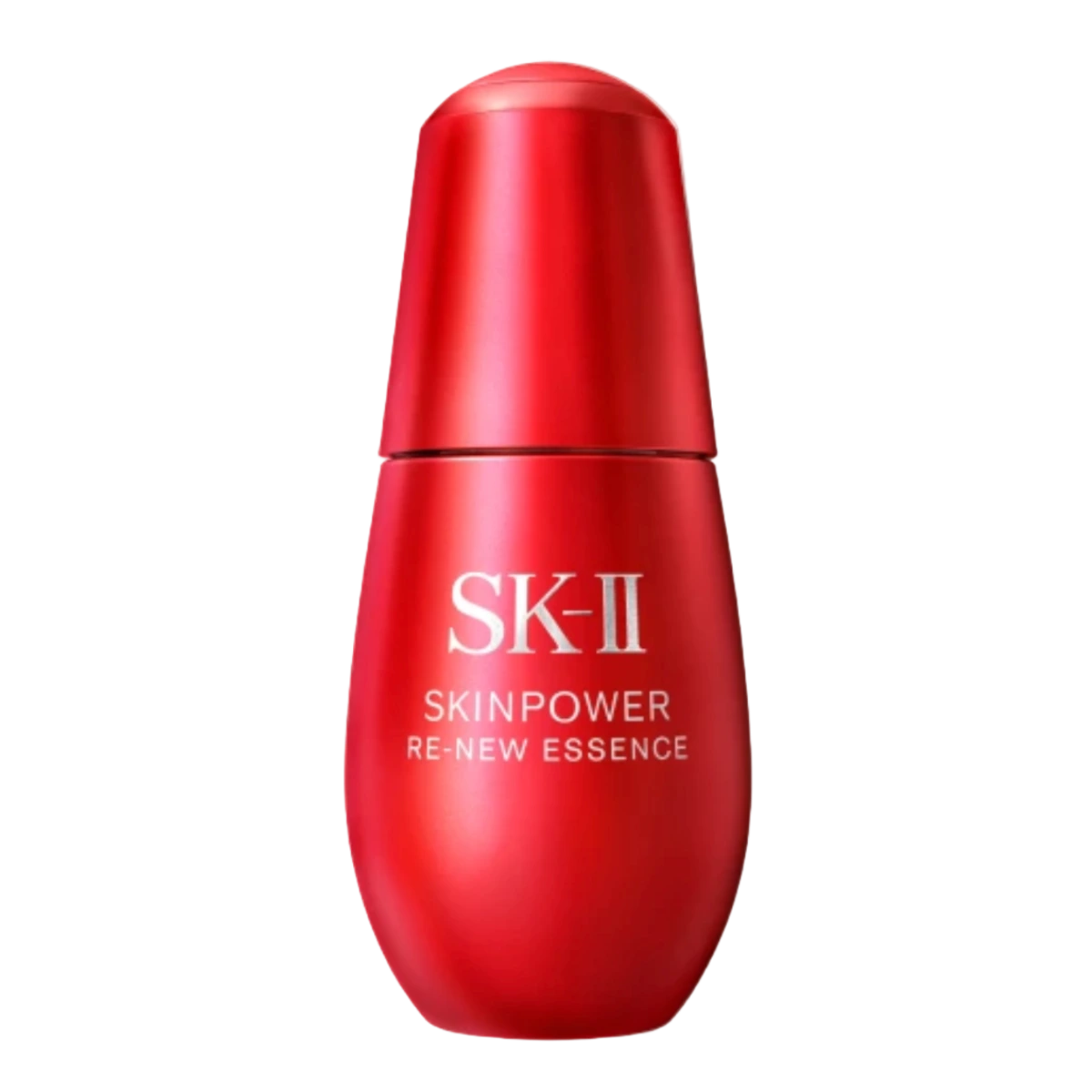
2. SK-II SkinPower Re-New Essence
The house that pitera built. SK-II's origin story is the stuff of beauty legend: researchers noticing that elderly sake brewers had youthful hands, tracing the effect to a yeast fermentation broth, and spending years isolating the strain that became pitera. The modern SkinPower line carries that ferment into a bouncier, richer treatment for the luxury end of the routine.
Half a century on, the ferment story remains Japanese beauty's greatest single narrative — the full background is in our fermented beauty guide.
3. Senka Perfect Whip
The foam that taught Japan to expect a lather you can hold upside down. Shiseido's mass-market masterpiece has been the country's best-selling face wash almost continuously since launch, on the strength of a dense, cushioning foam and a stripped-of-nothing feel that belies its price.
It's frequently the first Japanese beauty product people ever buy — and decades in, still one of the last they give up.
4. Naturie Hatomugi Skin Conditioner
A giant bottle, one humble grain (hatomugi — Job's tears), and two decades at the top of Japanese ranking sites. Naturie's genius was rejecting the premium instinct entirely: make the lotion so affordable and so gentle that people use it in reckless, splashing quantities, daily, everywhere.
The anti-luxury icon, and the spiritual ancestor of every "skin flooding" trend that followed.
5. Hada Labo Gokujun Hyaluronic Lotion
Launched in 2004 under the slogan kanpeki na tanjun — "perfect simplicity" — and now selling a bottle every few seconds in Japan. No fragrance, no color, no story except multiple weights of hyaluronic acid in a watery texture that vanishes into skin.
Twenty years of competitors have tried to out-feature it; none have out-simpled it. The whole family is compared in our Hada Labo guide.
6. Melano CC Essence
Rohto's stabilized vitamin C in the little yellow tube — proof that actives don't need luxury pricing to earn devotion. The aluminum tube and low-water formula solved vitamin C's oxidation problem; the drugstore price solved everyone else's. It has been Japan's default vitamin C answer for over a decade.
Full lineup, textures, and routine order in the Melano CC guide.
7. Anessa Perfect UV Skincare Milk
The gold bottle that owns Japanese summer. Shiseido has iterated Anessa's heat-and-sweat-strengthening technology for over two decades, and the milk still tops domestic sunscreen rankings nearly every year — a run of dominance almost unheard of in any consumer category.
Its ranking context sits in our best sunscreens list; its cultural context is simpler: in Japan, "the gold one" needs no further specification.
8. TSUBAKI Premium Moist & Repair
Camellia oil has dressed Japanese hair since the Edo period; Tsubaki bottled the tradition in 2006 with one of the biggest beauty launches in Japanese history — a reported fifty-billion-yen campaign that put the red bottle in every bathroom in the country. The formula has evolved; the heritage bet hasn't wavered.
Still the definitive answer to "why does Japanese hair look like that?"
9. Curel Intensive Moisture Cream
Kao's ceramide-care line became the quiet standard for sensitive skin in Japan — the brand pharmacy counters mention when everything else stings. No trends, no fragrance, no drama: just barrier-supporting ceramide care refined patiently for decades.
Unfashionable, indispensable, and never once out of stock in thirty years. That's what cult status looks like when it whispers.
10. Biore UV Aqua Rich Watery Essence
The youngest classic on the list, and the sunscreen that changed global expectations of what SPF should feel like. Kao's watery essence proved daily sun protection could be genuinely pleasant — invisible, weightless, makeup-friendly — and the entire industry has been chasing that texture since.
Already a decade-plus of domestic ranking dominance; the classic status is no longer in question.
What the classics have in common
Three patterns run through every product above:
- One clear job, done exceptionally. No classic on this list is an all-in-one. Each owns a single step so completely that replacing it feels like a downgrade.
- A texture people want to use daily. Foam that cushions, lotion that vanishes, oil that rinses clean — pleasure is what turns efficacy into habit, and habit into decades.
- Pricing that rewards loyalty. Nearly everything here costs less than lunch. Repurchase is a reflex, not a decision.
No trend-chasing, no reinvention for its own sake — just formulas refined quietly, year after year, for the world's most demanding beauty shoppers.
Frequently asked questions
Are these products dated compared to modern formulas? No — "classic" refers to the product's position, not its formula. Nearly all of them are quietly reformulated every few years; the name and promise stay, the chemistry keeps pace.
Which classic should a beginner buy first? Whichever matches your current gap: Senka if your cleanser strips, Hada Labo if your skin is thirsty, Melano CC for an affordable active, Biore UV if sunscreen is the step you skip.
Why does Japan produce so many long-lived products? Consumer culture. Japanese shoppers reward consistency and punish gimmicks, so brands invest in refinement over reinvention. The result is an ecosystem where the best product wins slowly — and then keeps winning.
Start with whichever solves your current problem; the rest tend to follow. Every product ships direct from Tokyo at live catalog prices.