
How to Build a Simple Daily Japanese Supplement Routine That Actually Sticks
Vitamins, collagen and probiotics, the Japanese way. How to build a simple, consistent daily supplement routine — what to take, when to take it, and how to make it a habit.
Walk into any Japanese pharmacy and the supplement aisle feels different from the vitamin megastores of the West. It is calm, precise and beautifully organized — small daily doses, clean formulas, and a philosophy that prizes consistency over intensity. Nothing shouts. Nothing promises to fix you overnight. That quiet discipline is the heart of a good daily supplement routine, and it travels well. You do not need a shelf of bottles or a spreadsheet of timings. You need a short, considered routine that fits your goals and the shape of your day.
This guide walks through how to build a supplement routine from scratch: how to choose what matters, what to take when, and how the Japanese approach can make the whole thing simpler rather than more complicated.
Start with your goal, not the pills
The most common mistake is buying supplements first and deciding why afterward. Reverse it. Name the outcome you actually want, then let that shortlist the ingredients. A routine built around a goal stays small, and small routines are the ones people keep.
- Everyday foundation → a multivitamin
- Glow and radiance → vitamin C, collagen
- Digestion and immunity → probiotics, fiber
- Energy and focus → B-complex, iron (only if advised by a professional)
If more than one goal applies — and it usually does — pick the one that matters most this season and build from there. You can layer in a second goal later, once the first has become automatic.
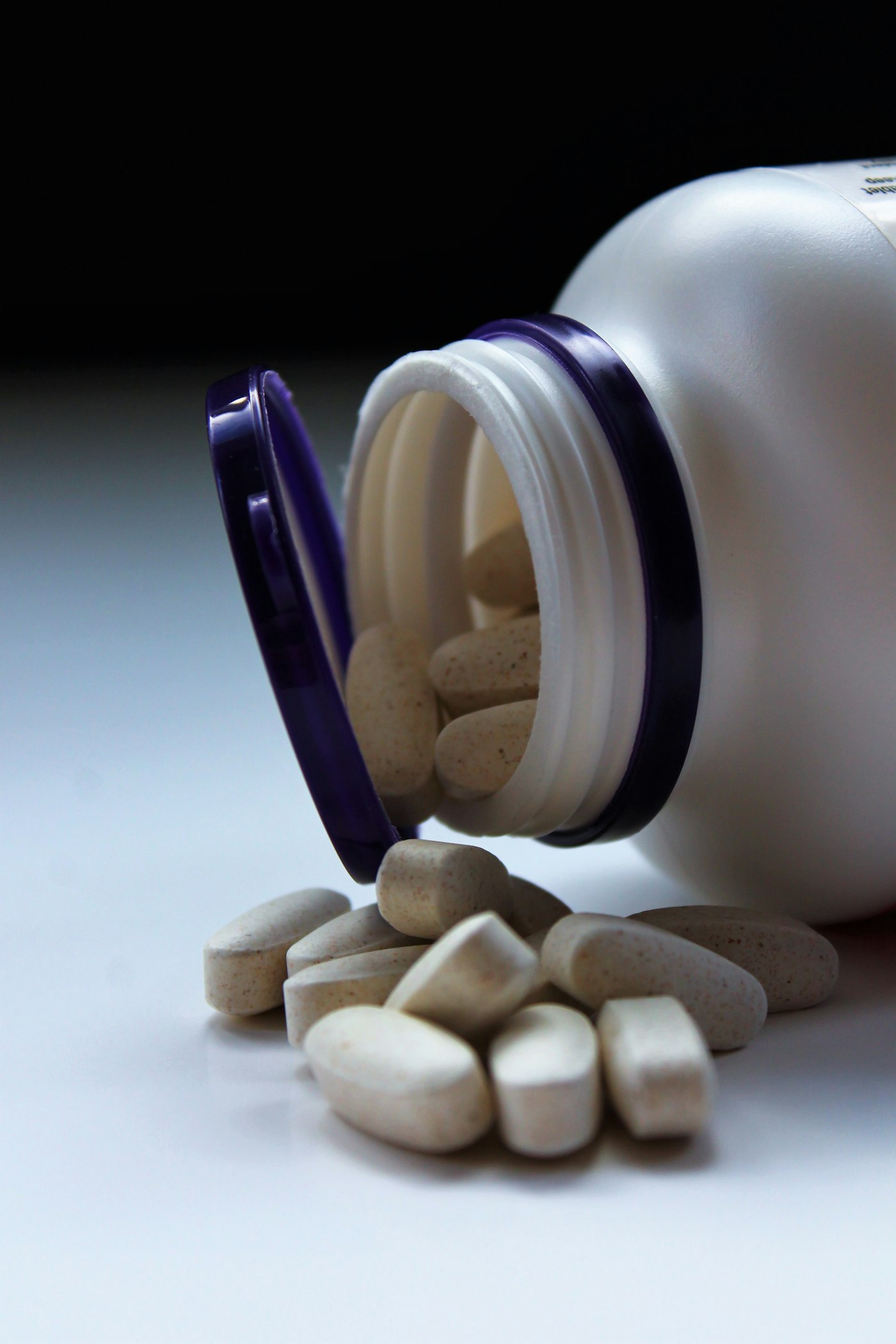
The core four
For most people, a complete beauty-and-wellness foundation rests on four staples. Think of them as the base layer — reliable, well studied, and gentle enough for daily use.
- Multivitamin — fills the everyday gaps that a busy diet leaves behind. Not a substitute for vegetables, but a sensible safety net.
- Vitamin C — may support collagen production and contributes to antioxidant defense. A quiet workhorse behind visible radiance.
- Collagen peptides — a staple of Japanese beauty-from-within routines, taken daily and consistently rather than in occasional large amounts.
- Probiotics — support gut balance, which in turn shows up in skin clarity and immune resilience.
Start with one new supplement at a time and give it two to four weeks before adding the next. This lets you notice how your body actually responds — and makes it obvious which product to stop if something disagrees with you.
When to take what
Timing is where many routines quietly fall apart. The goal is not perfection but a rhythm you can repeat without thinking. Absorption improves when a supplement meets the right conditions — some prefer food, some prefer an empty stomach — so a little planning goes a long way.
- Multivitamin — morning, with food. Fat-soluble vitamins (A, D, E, K) absorb better alongside a meal.
- Vitamin C — morning or midday. Water-soluble, so a smaller dose taken consistently beats one large dose.
- Collagen — any time, daily. Consistency matters far more than the hour.
- Probiotics — morning, on an empty stomach, so the cultures pass through before a meal raises stomach acid.
Absorption: small habits that make supplements work harder
A supplement is only as useful as the fraction your body actually takes up. A few unglamorous habits improve that quietly:
- Pair fat-soluble vitamins with a meal that contains some fat — a drizzle of oil or a handful of nuts is enough.
- Space out minerals that compete. Calcium and iron, for instance, are better taken hours apart than together.
- Vitamin C alongside plant-based iron may support absorption of the iron, which is why the two are often suggested together.
- Stay hydrated. Water-soluble vitamins simply move through the body more smoothly when you are well hydrated.
None of this needs to be exact. The point is direction, not precision — nudging conditions in the right way, most of the time.
How Japanese supplements differ
Japanese supplements tend to look and behave differently from the high-dose Western model, and understanding why makes them easier to use well.
- Smaller, split daily doses — modest amounts taken more often, tracking how the body absorbs nutrients gradually rather than in one surge.
- Food-derived ingredients — fermented, marine and plant sources are common, reflecting a preference for nutrition close to whole food.
- Clean, minimal formulas — fewer fillers, shorter ingredient lists, and a general reluctance toward "kitchen sink" blends.
This is why Japanese supplements often feel gentler and easier to sustain: the whole system is designed around daily rhythm rather than occasional intensity.
How to read a Japanese supplement label at a glance
Even without fluent Japanese, a label tells you most of what you need:
- 栄養機能食品 marks a nutrient-function food; 機能性表示食品 marks a food with declared functional claims. Either signals a regulated category.
- 一日の目安 means "daily guideline" — the suggested serving. Check how many tablets or capsules that serving actually is.
- 原材料名 lists ingredients in descending order by weight, so the first few names carry the most.
- Scan for allergen icons and a clear 賞味期限 (best-by date). A short, legible panel is usually a good sign.
Common mistakes to avoid
- Starting everything at once. You lose the ability to tell what is working — or what is causing a problem.
- Chasing high numbers. More milligrams is not automatically better, and some nutrients have real upper limits.
- Inconsistency. A brilliant supplement taken twice a week does little. A modest one taken daily does more.
- Treating supplements as a cure. They support a good diet and lifestyle; they do not replace either.
- Ignoring interactions. Some supplements affect how medications work — a reason to check before combining.
Building the habit
The best routine is the one you forget you are even following. Make remembering effortless:
- Anchor it to something you already do — brushing your teeth, the first cup of tea, closing your laptop at night.
- Keep it visible. A bottle by the kettle beats one hidden in a cupboard.
- Use a weekly case. Filling it every Sunday turns a daily decision into a one-minute weekly one.
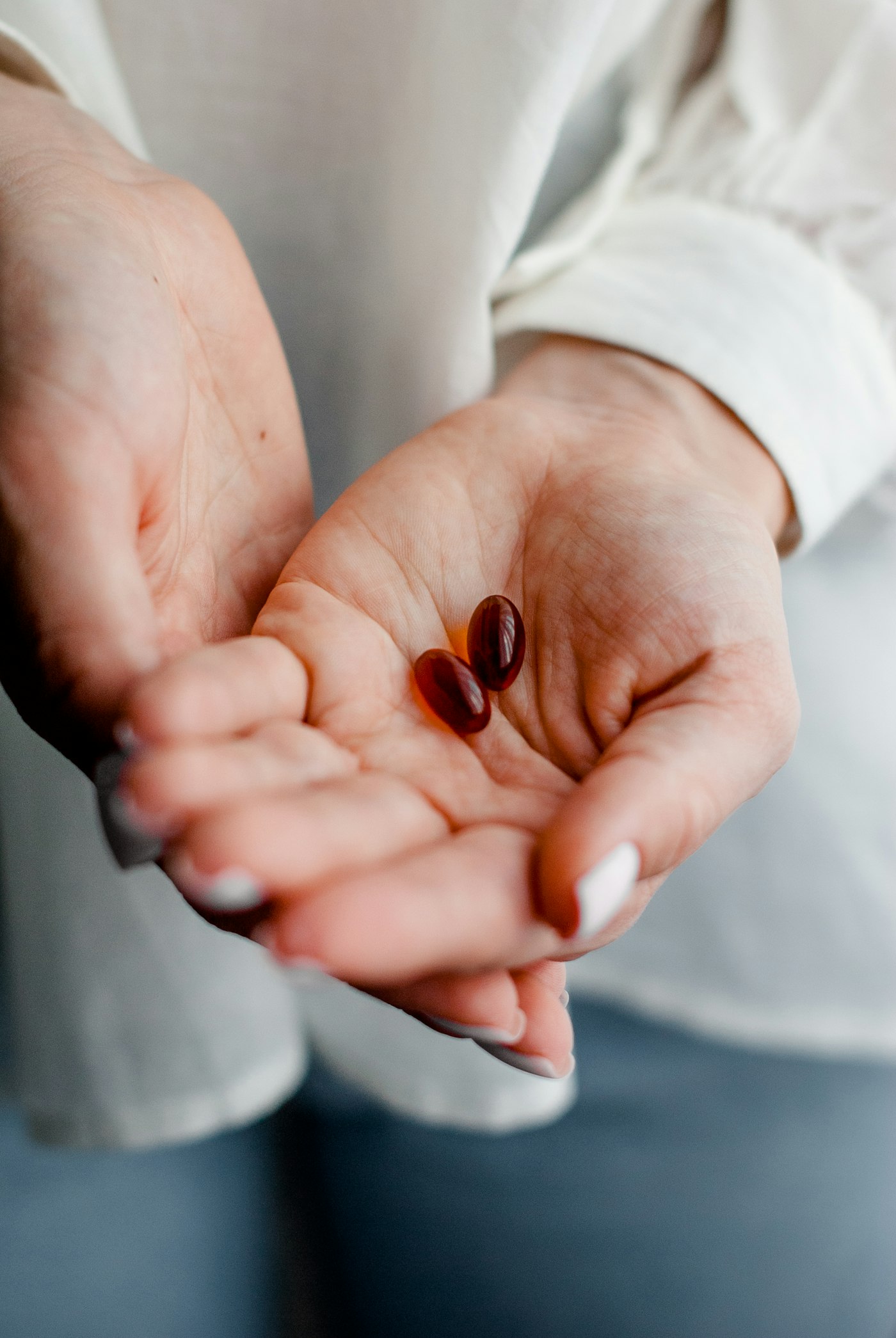
A sample day
A finished routine can be this simple:
- Breakfast — multivitamin + vitamin C
- Midday — collagen
- Before bed — probiotics
Three touch-points, four products, no fuss. That is the whole shape of it.
Adjusting your routine by goal and season
A daily supplement routine is not fixed for life. It should shift gently as your needs and the calendar do.
- Winter — many people lean toward vitamin D as daylight shortens, and probiotics through cold season for immune support.
- Spring and summer — antioxidant support such as vitamin C tends to move to the front as sun exposure rises.
- High-stress stretches — a B-complex may support energy metabolism during demanding weeks.
- Shifting goals — if your focus turns from radiance to digestion, let the core four flex accordingly rather than simply adding more bottles.
Revisit the routine every few months. Adding thoughtfully is good; subtracting what no longer serves a goal is just as valuable.
Safety first
Supplements support a good diet — they do not replace it, or medical advice. If you are pregnant, nursing, taking medication or managing a health condition, check with a doctor or pharmacist before starting anything new. Individual needs vary, and more is not always better.
Frequently asked questions
How long before I notice a difference?
Usually 4–8 weeks of consistent use. Skin, sleep and digestion tend to respond gradually, so give any new supplement a fair, uninterrupted trial before judging it.
Can I take everything at once?
It is better not to. Introduce one supplement at a time, spaced two to four weeks apart, so you can tell what each one is doing and spot anything that disagrees with you.
Are Japanese supplements stronger?
Not stronger — smaller and more frequent. The philosophy favors modest daily doses over concentrated megadoses, which is what makes a Japanese-style daily supplement routine so easy to sustain.
How do I decide what to take when?
Work backward from your goal, then match each supplement to the time of day that suits its absorption — fat-soluble vitamins with food, probiotics on an empty stomach, collagen whenever you will remember it. Consistency of timing matters more than the exact hour.
Do I still need supplements if I eat well?
A varied whole-food diet is the foundation, and supplements are only ever a top-up for the gaps it leaves. If your diet already covers a nutrient comfortably, there is often no need to add it.
Related reading: For a closer look at beauty-from-within staples, see our guide to Japanese inner-beauty supplements, and if you are building daily wellness rituals, explore the benefits of matcha and how to work it into your routine.