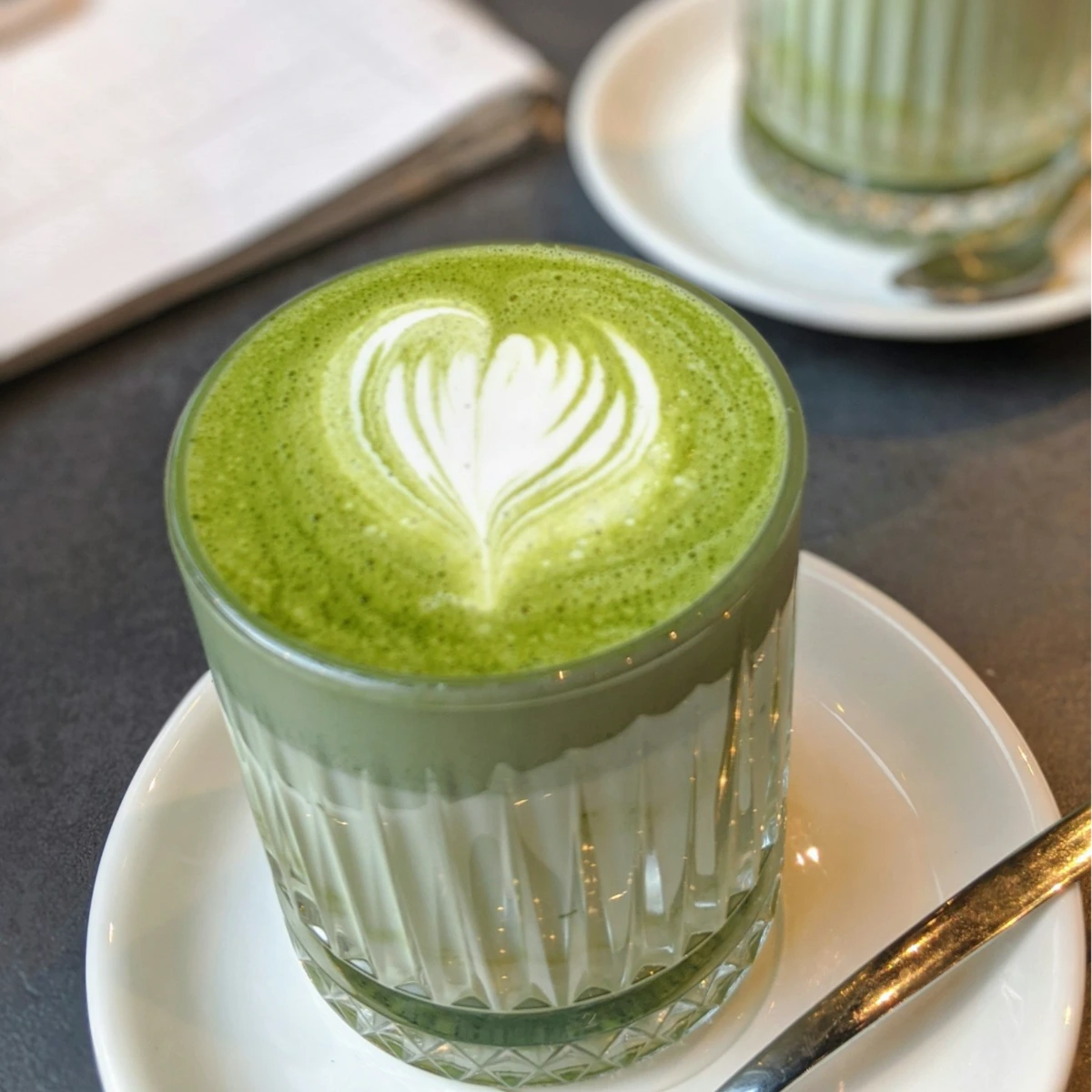
The Benefits of Japanese Matcha and How to Enjoy It Every Day
Calm energy, antioxidants and a centuries-old ritual. What makes Japanese matcha special, its benefits, how to whisk it, and how to choose ceremonial vs culinary grade.
Matcha is more than a bright green latte. It is finely stone-ground Japanese green tea — the whole leaf, suspended in water rather than steeped and discarded — a ritual that reaches back centuries. Because you drink the leaf itself, matcha delivers a fuller spectrum of the tea plant's compounds and, for many people, a calmer, steadier kind of energy than a cup of coffee provides.
This guide covers what matcha is, where it comes from, the benefits of matcha as they are currently understood, how to make matcha at home, the difference between ceremonial vs culinary matcha, and how to buy and store it well.
A short history: matcha and the tea ceremony
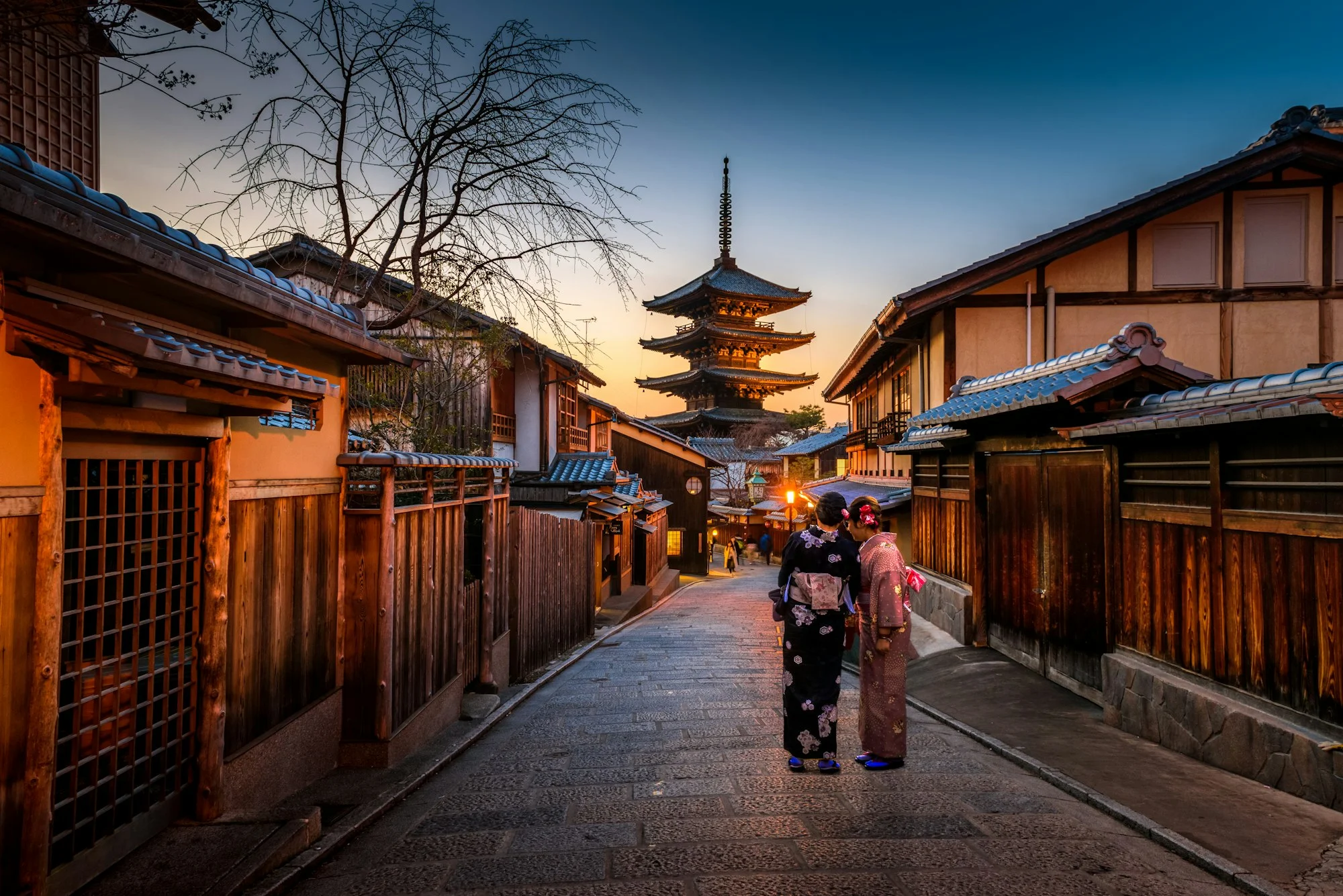
Powdered tea arrived in Japan from China with Zen monks in the twelfth century, valued as an aid to long hours of seated meditation. Over the following centuries it was refined into chanoyu, the Japanese tea ceremony, and shaped by tea masters such as Sen no Rikyū into a practice built on simplicity, attention, and hospitality. Kyoto — and the nearby growing region of Uji — became the spiritual home of Japanese matcha, and remains so today.
Understanding this lineage is useful for more than atmosphere. The tea ceremony is where the vocabulary and tools of matcha come from, and why the act of preparing it is treated as a moment of pause rather than a task to rush.
What makes matcha different
Matcha is set apart by how it is grown and processed:
- Shade-grown. For several weeks before harvest, the plants are covered to reduce direct sunlight. This slows growth, boosts chlorophyll (the source of matcha's jewel-green colour), and increases amino acids — most notably L-theanine.
- Carefully processed. The best leaves are steamed, dried, and de-stemmed to become tencha, the raw material for matcha.
- Stone-ground. Tencha is milled slowly between granite stones into an ultra-fine powder. The slow grind avoids overheating the leaf, which would dull the flavour and colour.
- Whisked, not steeped. You suspend the whole leaf in water and drink all of it — so nothing is left behind in a strainer.
The benefits of matcha
Because you consume the entire leaf, matcha is a concentrated source of the compounds found in Japanese green tea. Current understanding suggests it may support well-being in several ways, though individual results vary and matcha is not a substitute for a balanced diet or medical advice.
- Antioxidants. Matcha is rich in catechins, especially EGCG, plant compounds that may help the body counter oxidative stress.
- Calm, focused energy. Matcha pairs caffeine with L-theanine, an amino acid associated with a relaxed-but-alert state. Together they are often described as delivering "L-theanine calm energy" — attentiveness without the jittery edge.
- A steadier lift. Many people find the energy from matcha rises and falls more gently than the spike-and-crash pattern they associate with coffee.
- A mindful ritual. The few minutes spent sifting and whisking are, for some, as valuable as the drink itself.
Matcha still contains caffeine. If you are sensitive to matcha caffeine, are pregnant, or are managing your intake for any reason, enjoy it earlier in the day, start with a small amount, and speak with a healthcare professional if you have concerns.
Matcha vs regular green tea vs coffee
All three contain caffeine, but they behave differently.
- Matcha vs regular green tea. Steeped green tea is an infusion — you drink the water the leaves passed through. With matcha you drink the leaf itself, so a serving typically carries more caffeine and more catechins than a cup of standard steeped green tea.
- Matcha vs coffee. A serving of matcha generally contains less caffeine than a similar-sized coffee, but the presence of L-theanine changes the experience. Where coffee tends to arrive fast and fade sharply, matcha's lift is usually described as slower and smoother — a difference in feel as much as in numbers.
The right choice depends on your own sensitivity and what you want from the cup: quick intensity, or steady focus.
The tools you need
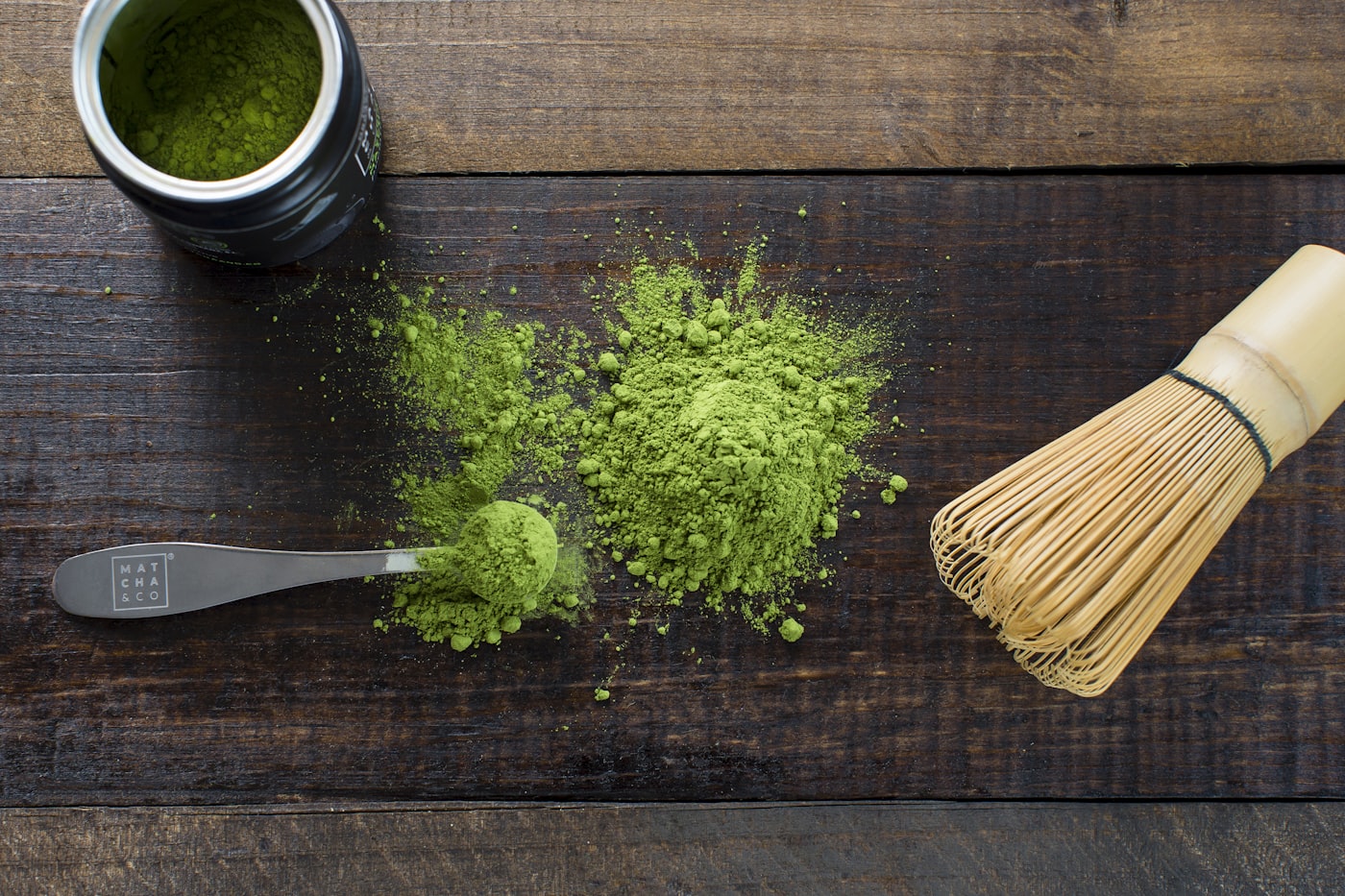
You can make a good bowl of matcha with very little, but a few traditional tools make the process easier and more pleasant:
- Chasen — a bamboo whisk with dozens of fine tines, designed to break up clumps and create a fine foam.
- Chawan — a wide tea bowl that gives the whisk room to move.
- Chashaku — a slender bamboo scoop for measuring the powder.
- A fine sieve — for sifting matcha before whisking, the single most reliable way to avoid lumps.
If you are just starting, a whisk and any wide bowl will take you a long way. A small electric frother is a practical stand-in for a chasen, especially for lattes.
How to make matcha
Learning how to make matcha at home takes only a few minutes once you have the rhythm.
- Sift about 1 teaspoon (roughly 2 grams) of matcha into your bowl to remove clumps.
- Add a splash of hot water — not boiling, ideally around 70–80°C. Water that is too hot can make matcha taste bitter.
- Whisk briskly in a light "W" or "M" motion, keeping the whisk near the surface, until a fine foam forms.
- Top up and enjoy as usucha (thin tea), or add steamed or cold milk to make a latte.
For a single serving, start with less water for a stronger, more traditional bowl, and add more to taste. Adjust the powder-to-water ratio over a few sessions until it suits you.
Easy ways to enjoy matcha
- A morning latte with your milk of choice.
- Iced matcha over cold water or milk in warmer months.
- Blended into smoothies or stirred through oats.
- Baking — folded into cakes, cookies, and other treats, where culinary grade shines.
Ceremonial vs culinary matcha: how to choose
Grade describes intended use, not simply quality.
- Ceremonial grade is made from the youngest leaves, with a vivid green colour, smooth texture, and delicate flavour. It is meant to be whisked with water and enjoyed on its own.
- Culinary grade is more robust and slightly more astringent — built to hold its character against milk, sweeteners, and heat. It is the sensible choice for lattes and baking.
When buying, look for a bright, jewel-green colour (dull or yellowish tones can signal age or lower quality), a recent harvest or best-before date, and clear information about origin — Japanese matcha from regions such as Uji or Nishio is a good sign. Buy in modest quantities so you can finish it while fresh.
How to store matcha
Matcha is delicate and fades quickly when exposed to air, light, heat, and moisture. Keep it in an airtight, opaque container, somewhere cool and dark, and away from strong-smelling foods, which it can absorb. Once opened, use it within a few weeks for the best colour and flavour. If you refrigerate it, let the sealed container return to room temperature before opening to avoid condensation.
Frequently asked questions
How much caffeine is in matcha?
A typical serving contains less caffeine than a similar-sized coffee, but more than a cup of steeped green tea, since you consume the whole leaf. The exact amount depends on the grade and how much powder you use.
Is matcha better than coffee?
Neither is inherently "better" — they are different. Matcha's combination of caffeine and L-theanine tends to give a calmer, more sustained focus, while coffee delivers a faster, sharper lift. The right one depends on your sensitivity and what you want from the cup.
What is the difference between ceremonial and culinary matcha?
Ceremonial grade is smoother and more delicate, intended to be whisked with water and enjoyed on its own. Culinary grade is more robust and stands up well to milk and heat, making it ideal for lattes and baking.
Can I drink matcha every day?
Many people enjoy matcha daily. As with any caffeinated drink, moderation is sensible, and those who are sensitive to caffeine, pregnant, or managing a health condition may wish to limit their intake or consult a healthcare professional.
Why is my matcha lumpy or bitter?
Lumps usually mean the powder wasn't sifted before whisking; a fine sieve solves most of it. Bitterness often comes from water that is too hot — aim for around 70–80°C rather than boiling — or from using too much powder for the amount of water.
Related reading: To go further into the world of Japanese wellness, explore our guide to traditional Japanese skincare ingredients and discover the calm of Japanese bathing rituals.