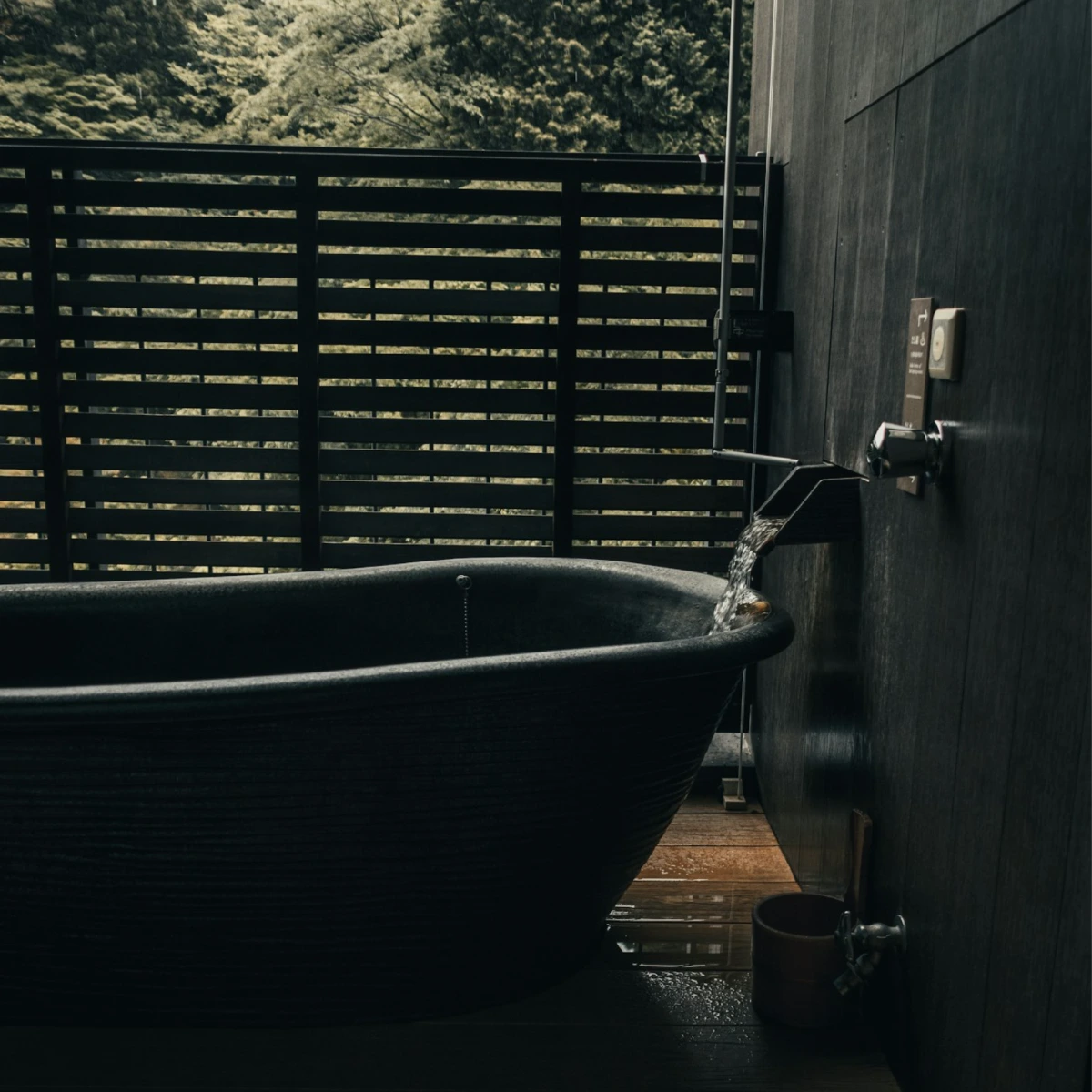
Japanese Bathing Rituals: A Guide to Ofuro, Onsen & Sento — and How to Recreate the Calm at Home
The Japanese bath is a nightly ritual for body and mind. A guide to ofuro, onsen and sento traditions, bathing etiquette, and how to recreate the calm at home.
In Japan, bathing is not simply a matter of getting clean. It is a daily ritual of rest — a practice as ordinary as brushing your teeth, yet quietly ceremonial. The evening soak, or ofuro, is a moment to warm the body, loosen the shoulders, and draw a clear line between the day's demands and the stillness of night. To bathe is to arrive home fully, to let the water do the work of settling a restless mind.
Across centuries, these habits have grown into some of the most enduring Japanese bathing rituals in the world — practices shaped by geography, faith, and an abiding respect for water as something to be honored rather than used. Understanding them is the first step to bringing a little of that calm into your own evening.
Wash first, soak second
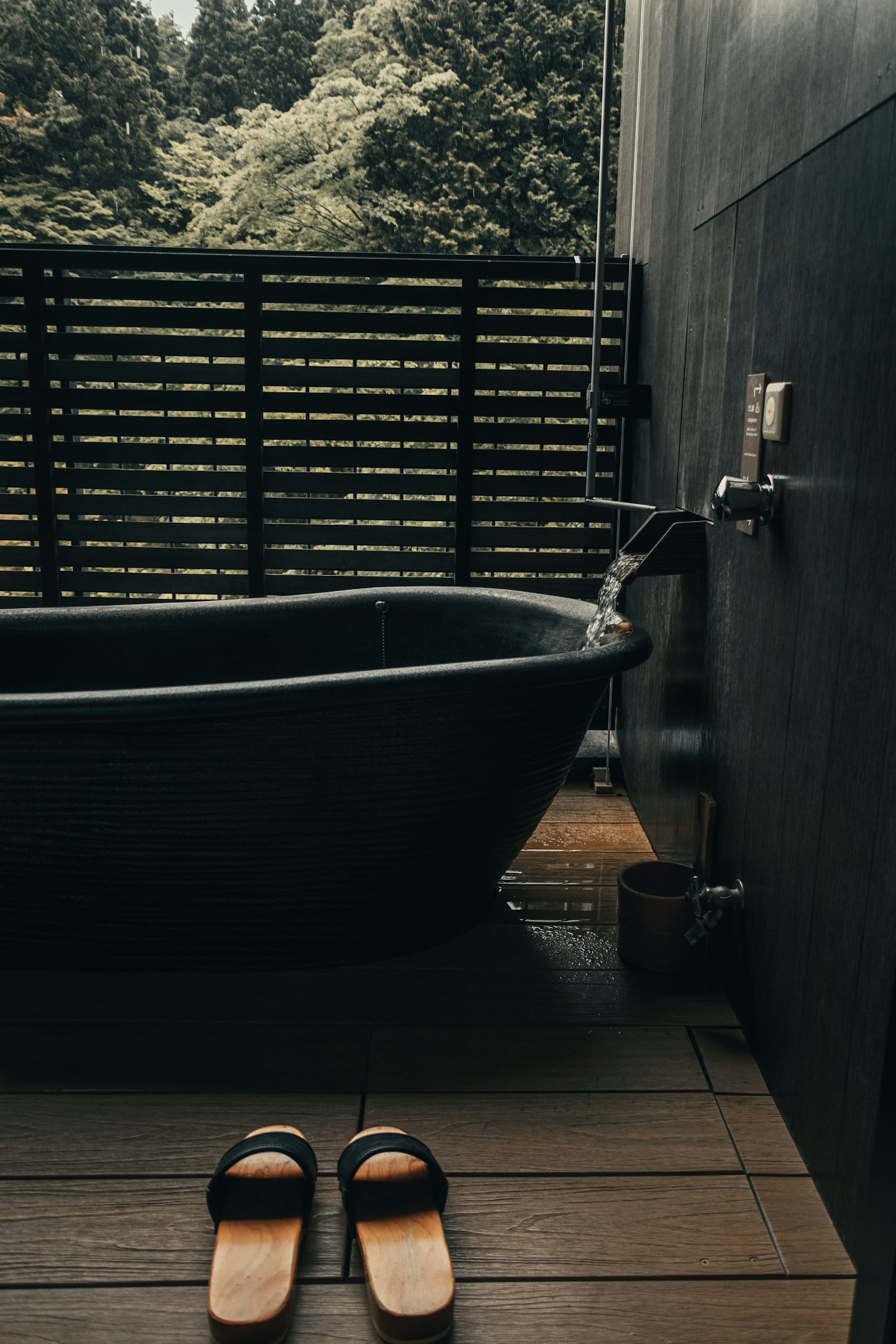
The single most important rule, and the one that surprises first-time visitors most, is this: you clean your body before you get into the tub. The bath is for soaking, not for scrubbing. The water is a shared, communal thing — kept clear and warm for everyone who follows.
- Rinse and wash thoroughly at a separate shower or basin, seated on a low stool.
- Lather, scrub, and rinse away every trace of soap before you go near the tub.
- Only then step into clean, hot water to soak.
- Because no dirt enters it, the same water often stays clean enough for the whole household to share, one after another.
This order is more than hygiene. It reframes the bath itself: the tub is not where you become clean, but where you rest once you already are. That small shift is the heart of the entire practice.
The three traditions
Japanese bathing takes three broad forms, each with its own rhythm and setting.
- Ofuro (お風呂) — the daily home bath, deep enough to submerge the shoulders, taken most often in the evening.
- Onsen (温泉) — natural mineral hot springs, drawn from volcanic geothermal water and prized for their distinct mineral character.
- Sento (銭湯) — traditional public bathhouses, where neighbors have gathered to bathe and talk for generations.
Onsen vs sento: what's the difference?
The onsen vs sento distinction comes down to the water itself. By legal definition, an onsen must draw from a natural geothermal source containing specific minerals — sulphur, sodium, iron, and more — at a regulated temperature. A sento, by contrast, is a public bathhouse filled with ordinary heated tap water. An onsen is a destination, often set among mountains or along the coast; a sento is a fixture of daily neighborhood life, humble and unpretentious. Both share the same etiquette, and both offer the same quiet pleasure of soaking in company.
A brief history
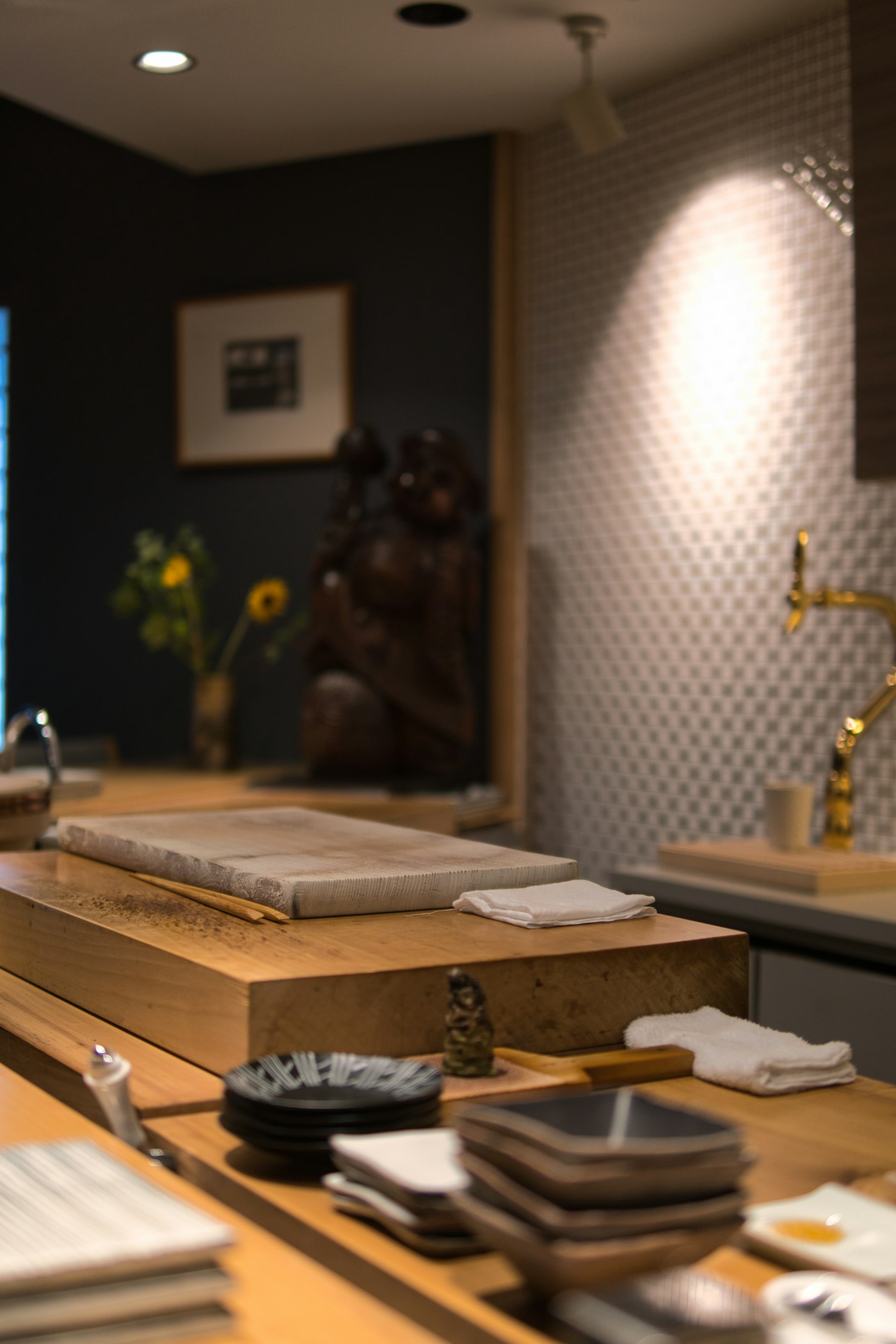
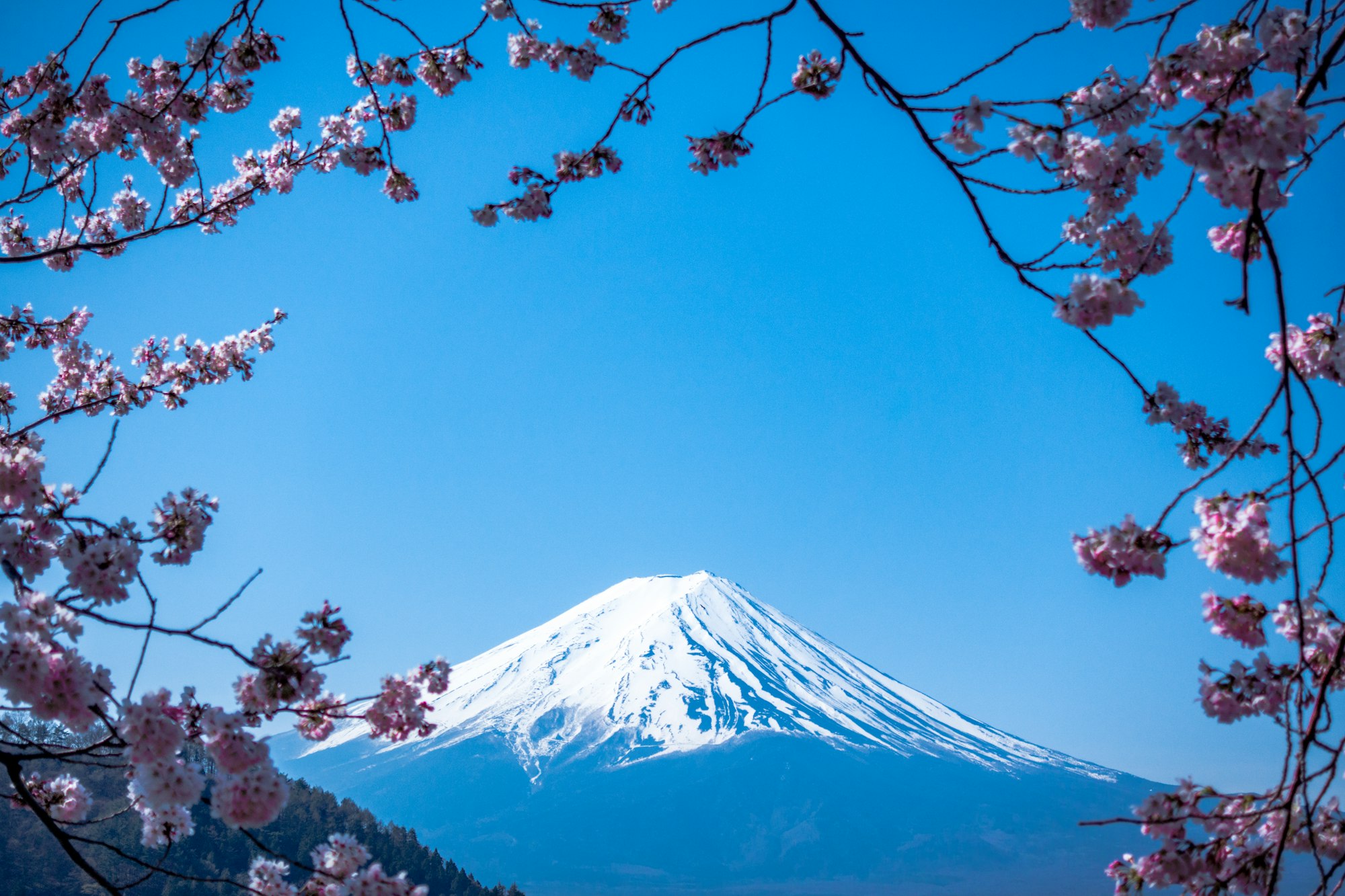
Communal bathing in Japan traces back well over a thousand years, rooted in Buddhist temples that offered baths to the sick and the poor as an act of compassion, and in the Shinto reverence for water as a means of purification. As towns grew during the Edo period, the sento became a democratic gathering place — one of the few spaces where rank fell away and everyone, quite literally, met on equal footing. The painted murals of Mount Fuji that still grace many bathhouse walls date from this era, meant to lend the modest space a sense of open sky and distant landscape.
The science of a warm soak before sleep
The evening bath is not only a cultural inheritance; it aligns neatly with how the body prepares for rest. As you soak, warm water raises your skin temperature and draws blood toward the surface. When you step out, that heat dissipates and your core temperature begins to fall — and this gentle cooling is one of the body's natural cues that it is time to sleep. A soak roughly an hour or two before bed can ease you into deeper rest, while warm water also helps relax tight muscles and quiet the nervous system after a long day.
Why an evening soak helps
- Eases tension in the neck, shoulders, and back.
- Supports better sleep through the natural cooling that follows.
- Offers a mindful pause — a screen-free interval that belongs to you alone.
- Leaves skin softer, especially when a mineral bath salt is added to the water.
Keep the water comfortably warm, not scalding — around 38–40°C is plenty. Step out if you feel light-headed, and never soak alone if you are unwell or after drinking. Hydrate with a glass of water before and after, and keep longer soaks gentle.
Onsen and sento etiquette
If you visit a public bath, a few unwritten rules make the experience smoother for everyone.
- Wash completely before entering. Use the seated shower stations and rinse away all soap before you approach the communal tub.
- The small towel stays out of the water. Bathers carry a modest hand towel for washing and modesty; fold it and rest it on your head or the tub's edge, never let it dip into the bath.
- Tie up long hair so it does not touch the water.
- Tattoos. Historically associated with organized crime, tattoos remain restricted at many traditional baths. Attitudes are softening, and tattoo-friendly onsen are increasingly common, but it is worth checking ahead or covering a small design with a waterproof patch.
- Mind your timing and volume. Keep conversation low, avoid splashing or swimming, and be considerate of how long you linger when the bath is busy.
How to take a Japanese bath at home
You do not need a hot spring to enjoy the ritual. Learning how to take a Japanese bath at home is mostly a matter of slowing down and following the same simple order.
- Wash first. Shower and rinse thoroughly before you get into the tub.
- Set the mood. Dim the lights, leave your phone in another room, and let the bathroom fill with steam.
- Add a bath salt. Stir in a Japanese bath salts nyuyokuzai (入浴剤) to soften the water and add mineral warmth.
- Soak for 10–15 minutes. Rest your shoulders under the water, breathe slowly, and let your thoughts unspool.
- Moisturize right away. Seal in softness while your skin is still warm and receptive.
About nyuyokuzai
Nyuyokuzai are the mineral bath additives that turn an ordinary tub into something closer to a hot spring. Formulated with salts, carbonates, and botanical extracts, they soften water, deepen warmth, and lend the bath a subtle scent and color. Choosing one is part of the pleasure — a cedar or yuzu note for winter, something cooler and greener for the warmer months.
A simple evening ritual sequence
To make the bath a genuine wind-down rather than one more task, fold it into a short, repeatable sequence:
- Soak for ten quiet minutes.
- Moisturize while your skin is warm.
- Dim the lights throughout your home.
- Sip something warm and caffeine-free.
- Settle — read a few pages, breathe, and let sleep come.
Repeated a few evenings a week, this small ceremony becomes a signal your body learns to recognize: the day is done, and rest is allowed.
Frequently asked questions
Do I really need to wash before getting in the bath?
Yes. Washing thoroughly beforehand is the foundation of every Japanese bathing ritual. The tub is reserved purely for soaking, which keeps the water clean enough to share and turns the bath into a moment of rest rather than labor.
How hot should the water be?
Comfortably warm — generally around 38–40°C. The water should feel enveloping, not punishing. Keep it cooler if you are new to soaking, and step out promptly if you ever feel dizzy or overheated.
What are Japanese bath salts?
They are called nyuyokuzai (入浴剤): mineral additives that soften water, deepen its warmth, and add gentle color and fragrance. They are the simplest way to bring an onsen-like quality to an ordinary home bath.
What is the difference between an onsen and a sento?
An onsen uses natural geothermal spring water rich in minerals, while a sento is a public bathhouse filled with heated ordinary water. The etiquette is the same for both; the difference lies in the source and character of the water.
Can I take a Japanese-style bath if I have tattoos?
At home, of course. At public baths, many traditional establishments still restrict tattoos, though tattoo-friendly onsen are becoming more common. Check the venue's policy in advance, or cover a small tattoo with a waterproof patch.
Related reading: Continue exploring the quiet rituals of Japanese self-care with the benefits of matcha, and deepen your evening routine with the art of Japanese hydration and layering.