Japanese Baby & Kids Essentials Parents Swear By (2026)
Cooling forehead sheets, gentle baby creams, kid-friendly calcium snacks — the Japanese parenting aisle is full of quiet genius. Here's the shortlist.
Japanese parents shop one of the most thoughtfully engineered baby aisles in the world. The design philosophy is unmistakable: gentle formulas, obsessive safety detail, and packaging that solves real 3am problems — pre-measured sticks, one-handed openings, sheets that stay put on a sleeping forehead. Most of it never gets marketed abroad, which is why the products below are perpetual favorites among overseas parents who discover them once and never go back.
There's a reason the engineering runs this deep. Japanese baby products answer to famously exacting domestic standards and to the world's most detail-oriented customer: the Japanese parent, armed with ranking sites, pediatrician forums, and generational brand loyalty. A product that survives that market has been stress-tested by millions of households before it ever reaches your cart.
Everything here ships direct from Tokyo through our catalog — the identical items sold in Japanese stores, no repackaging.
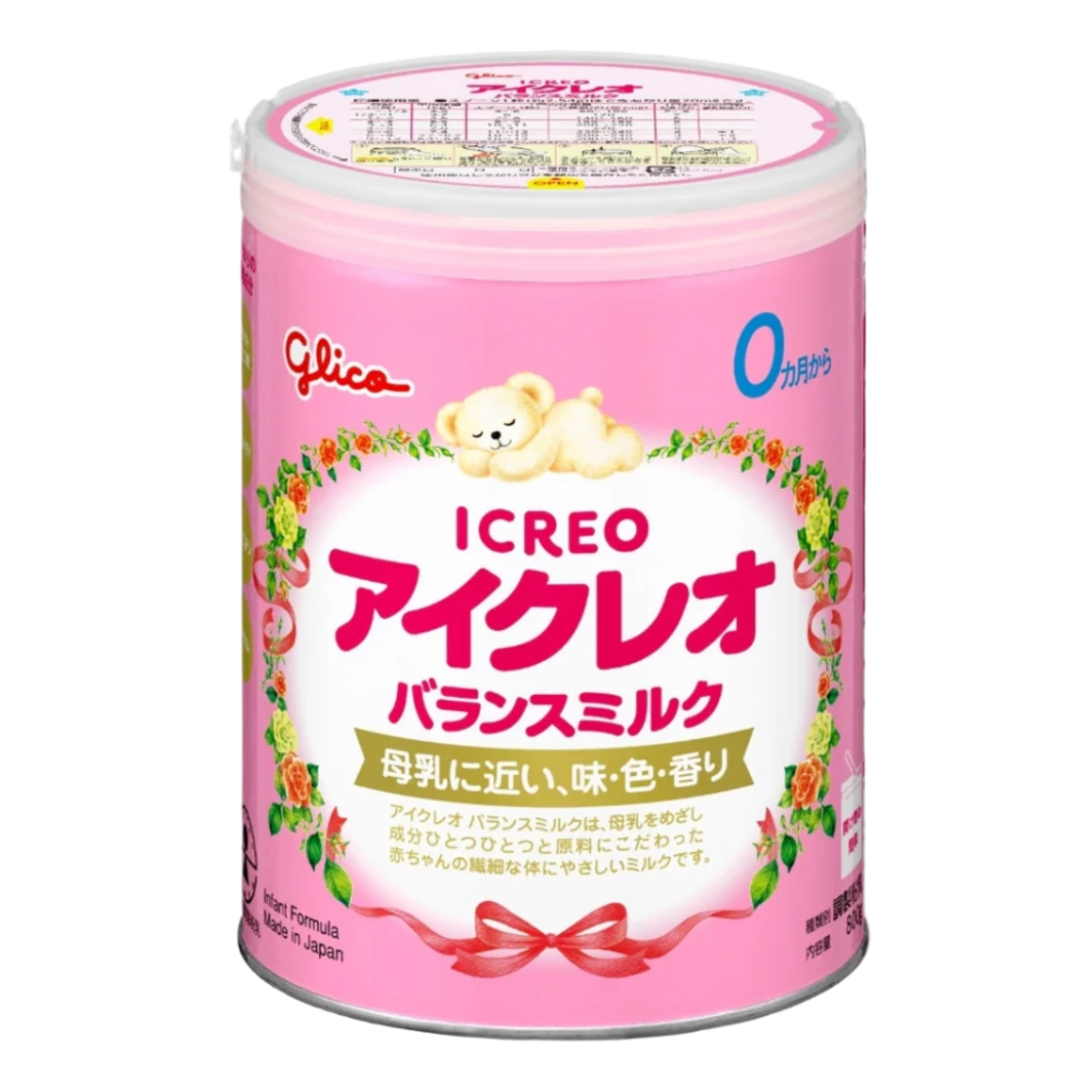
ICREO Balance Milk
Glico's ICREO is the quiet aristocrat of Japanese infant formula, famous for a taste, color, and gentleness designed to stay as close as possible to the real thing. Japanese formula standards are exacting, and ICREO's reputation within them — mild flavor, pale color, gentle profile — is what parents cite when they cross town to find it in stock.
The 800g can is the home-base staple, sized for the daily rhythm:
The stick-type set is the diaper-bag hero — individually sealed, pre-measured tubes that turn 3am and travel feeds into pour-shake-done. No scooping, no counting, no guesswork at grandma's house. Once you've used sticks at 3am, the scoop feels medieval:
ICREO Grow-up Milk
For the 1-to-3 crowd: a follow-up milk that bridges the picky-eater years, fortified for growing bodies and mild enough to mix into breakfast milk without negotiation. Japanese households treat it as the nutritional seatbelt for the era when dinner is rejected on artistic grounds.
Muhi Baby
The pastel-blue tube in every Japanese family's cabinet. Muhi's baby formulation is a mild, weak-acid cream gentle enough for one-month-olds — the standing answer to the small skin dramas of outdoor childhood, from park afternoons to mosquito season. No harsh cooling agents, no sting, just the gentle formulation that made the brand a household word.
It lives in the stroller pocket for a reason: the moment you need it, you need it now.
Netsusama Cooling Sheets
Japan's iconic forehead gel sheets — the soft blue patches every anime child seems to wear — deliver hours of gentle, hands-free cooling comfort. The gel holds a large reserve of water that evaporates slowly, which is the entire elegant trick: continuous cool without ice packs, wet towels, or a parent holding anything in place.
The baby version is sized and formulated for 0–2, with a milder adhesive for delicate skin:
The kids' 16-sheet box is the family-drawer standard, with a grip engineered to survive wiggly sleepers — the detail that separates it from every imitator:
Atopita Moisturizing UV Cream
Baby sun care done the Japanese way: a mild, moisture-first UV cream from a brand built entirely around delicate, dry-prone skin. The formulation priorities are exactly what you'd hope — gentle base, moisturizing feel, and a wash-off with ordinary soap that spares everyone the bath-time wrestling match.
Apply it like a moisturizer before park trips; reapply after water play. It's the sunscreen habit, scaled to people who eat sand.
Hone Kids Calcium Choco
The snack disguise: chocolate-flavored bites that carry calcium into the least negotiable diet on earth. Japanese parents treat these as the dessert that works overtime — a small, controlled treat that happens to be doing quiet nutritional labor. The genius is entirely in the framing: nobody has ever had to persuade a child to eat chocolate.
Morning Kids Aojiru
Yes, green juice for children — and yes, it works. Yakult's kid edition sweetens the famously stern aojiru into something that actually gets drunk: one packet stirred into milk turns breakfast into a vegetable delivery system with zero table diplomacy. Japanese parents call this genre "nutrition insurance," which is exactly the right amount of honesty. (The grown-up matcha-and-greens context is in our daily greens guide.)
The diaper-bag shortlist
- Feeding out: ICREO sticks
- Park day: Atopita UV + Muhi Baby
- Warm nights: Netsusama sheets
- Snack diplomacy: Hone Kids Choco
- Breakfast negotiation: Kids Aojiru in milk
Frequently asked questions
Is it safe to buy baby products from overseas? We ship the identical products sold in Japanese stores — same lots, same Japanese safety standards, no repackaging or gray-market handling. For formula specifically, check your country's personal-import guidance on quantities.
Why do parents import Japanese formula specifically? Reputation and profile: Japanese formulas are known for mild taste and gentle formulation under strict domestic standards. ICREO sits at the top of that reputation — it's the brand Japanese parents themselves fuss over finding.
Are the cooling sheets reusable? No — each sheet is single-use, which is part of why they're hygienic and why the family box format exists. Keep a box in the drawer and a couple of sheets in the travel kit.
What's the single best first purchase? Whichever 3am problem you're currently losing to. Sheets for warm nights, Muhi for the stroller pocket, sticks for travel — the aisle's genius is that every product maps to a specific parental emergency.
The Japanese baby aisle's real export is peace of mind, in product form. Everything above ships direct from Tokyo — engineered by the world's most demanding parents, for exactly the nights you'll need it.