Japanese Expiry Dates Explained: 賞味期限 vs 消費期限 and How to Read Them
Japanese expiry dates decoded: best-before vs use-by, the date formats on packs, Reiwa era years, and why many Japanese cosmetics carry no expiry date at all.
A Japanese expiry date comes in two kinds. 賞味期限 (shōmi kigen) is a best-before date: the food is at its best until then, and is usually fine for a while afterwards. 消費期限 (shōhi kigen) is a use-by date for perishable food, and you should not eat it once the date has passed. Both are printed year first, then month and day, for example 2026.12.01.
This guide explains the difference between the two labels, shows the date formats you will see on Japanese packs, including the occasional era year such as Reiwa, and covers cosmetics and supplements, where many products have no expiry date at all.
What is the difference between 賞味期限 and 消費期限?
Japanese food labelling, overseen by the Consumer Affairs Agency, uses two different date labels depending on how quickly a food spoils.
| 賞味期限 (shōmi kigen) | 消費期限 (shōhi kigen) | |
|---|---|---|
| English equivalent | Best before | Use by |
| Meaning | Quality and flavour are assured until this date | Safe to eat until this date |
| Used on | Foods that keep relatively well | Foods that spoil quickly |
| Typical examples | Snacks, instant noodles, curry roux, tea, canned food, ready rice | Bento, sandwiches, fresh cakes, raw meat and fish |
| After the date | Usually still edible; quality may decline | Do not eat |
Both dates assume the pack is unopened and stored as the label directs, usually with a line such as 直射日光・高温多湿を避けて保存 (keep away from direct sunlight, heat and humidity). Once you open the pack, the printed date no longer applies, and the food should be eaten soon.
Use-by dates are reserved for foods that deteriorate fast, generally within about five days. Almost everything shipped internationally from Japan carries a best-before date instead.
How do you read a Japanese expiry date?
Japanese dates run from largest unit to smallest: year, month, day. That is the opposite of the day-first habit in Europe and much of Latin America, and it differs from the US month-first order too.
The same date can appear in several ways:
| Printed | Meaning |
|---|---|
| 2026.12.01 | 1 December 2026 |
| 26.12.01 | 1 December 2026 (two-digit year) |
| 2026年12月1日 | 1 December 2026 (年 year, 月 month, 日 day) |
| 26.12 | December 2026, year and month only |
| 2026.12 | December 2026, year and month only |
The year-and-month-only format is allowed for foods whose best-before period is longer than three months. It is common on instant noodles, curry roux, canned food and supplements. The food is at its best until the end of that month.
Look out for small codes beside the date. Letters or numbers after it are usually a factory or lot code, not part of the date.
Where is the date printed?
Japanese packs often print the date away from the main label. The label then tells you where to look:
- 賞味期限:枠外下部に記載 means "best before: printed below the label frame".
- 賞味期限:裏面に記載 means "printed on the back".
- 賞味期限:底面に記載 means "printed on the base".
- 賞味期限:ふたに記載 means "printed on the lid", common on cup noodles.
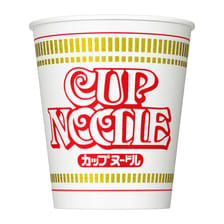
Nissin Foods
Cup Noodle 78g
Cup noodles featuring uniquely smooth noodles and original soup. Topped with minced pork with soy protein, seasoned pork, shrimp, scrambled egg, and green onion.
From 616,000 UZS
Our Japanese instant noodles guide covers the noodle aisle in more detail, but the rule is the same on every pack: find the short note on the main label, then go to the place it names.
What are era years, like Reiwa?
Japan uses two calendars side by side. Alongside the Western calendar there is the 和暦 (wareki), the era calendar, which counts years from the start of each emperor's reign.
- 令和 (Reiwa) began on 1 May 2019. Reiwa 1 is 2019, so Reiwa 8 is 2026.
- 平成 (Heisei) ran from 1989 to 30 April 2019.
To convert a Reiwa year, add 2018: 令和8年 (Reiwa 8) is 2026, and 令和9年 is 2027. You may see it abbreviated as R8.
Era years are rare on food dates today, which overwhelmingly use the Western calendar. You are more likely to meet them on receipts, official documents, some medicine and household product boxes, and older stock.
Do Japanese cosmetics have expiry dates?
Often, no, and that is deliberate rather than an omission.
Under Japan's Pharmaceutical and Medical Device Act, cosmetics and quasi-drugs that stay stable for more than three years in normal storage do not have to carry an expiry date. Products that may change in quality within three years must print a 使用期限 (shiyō kigen), a "use by" date. That is why most Japanese skincare, sunscreen, shampoo and toothpaste shows only a batch number, while a few delicate formulas carry a printed date.
In practice:
- No date printed means the product is designed to stay stable for at least three years from manufacture, unopened.
- A printed 使用期限 means it has a shorter life. Use it before that date.
- A batch or lot number (製造番号, seizō bangō) is the code the maker uses to trace when it was made. The brand's customer service can usually tell you the manufacturing date from it.
Our guide on how to read a Japanese cosmetics ingredient label covers the rest of the box.
What about PAO and opened products?
PAO, the "period after opening" symbol of an open jar with a number such as 12M, comes from European rules. Japan does not require it, so most Japanese products do not show it, although some brands sold internationally add it.
Once a product is opened, the three-year rule stops being the guide. Air, fingers and warmth all age a product. Brands' own advice varies, from a couple of months for preservative-free ranges to around six months or more for typical formulas. Sensible habits:
- Write the opening date on the tube or jar with a marker.
- Finish sunscreen within the season you open it.
- Use clean hands or a spatula for jars.
- Trust your senses. A change in smell, colour or texture, or separation that does not mix back, means it is time to replace it.
Bulk buying works best when you open one product at a time, which we cover in our Black Friday stock-up list.
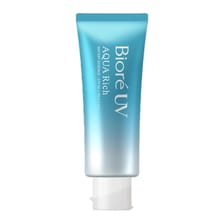
Biore UV
Biore UV Aqua Rich Watery Essence 70.0g
A water-based essence sunscreen that blends instantly for even protection. With SPF50+ PA++++, it protects the skin from strong UV rays while moisturizing with beauty serum ingredients like hyaluronic acid. It washes off easily with soap, making it perfect for daily UV care.
From 205,000 UZS
Supplements and ready rice
Japanese supplements are legally foods, so they carry a 賞味期限 like any packaged food, often in year-and-month form on the back of the pouch. Products sold with health claims follow additional labelling rules, which our guide to Foods with Function Claims and FOSHU explains. As with any supplement, check with a doctor or pharmacist if you take medication or have a health condition.
Ready rice packs, such as Sato no Gohan, are sealed and heat-treated, which is why they keep at room temperature for months. The best-before date is on the film or the side of the tray.
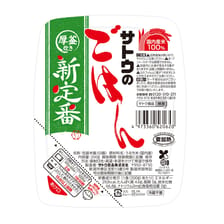
Sato Foods
Sato Foods Sato no Gohan New Standard
Packaged rice made with a unique blend of multiple domestic Japanese rice varieties. Cooked carefully and fluffily, grain by grain, using Sato's original thick pot cooking method. Easily enjoy delicious rice just by heating it in a microwave or hot water.
From 108,000 UZS
Frequently asked questions
What does 賞味期限 mean? It means best before. The food keeps its full quality until that date if unopened and stored as directed, and is usually still edible for some time afterwards.
What does 消費期限 mean? It means use by. It appears on perishable foods such as bento, sandwiches and fresh cakes, and you should not eat them after the date.
How do I read 26.12 on a Japanese package? It means December 2026. The year comes first, and foods with a best-before period of more than three months may show only the year and month.
Why does my Japanese moisturiser have no expiry date? Japanese rules let cosmetics that stay stable for more than three years skip the date. Products that may change sooner must print a use-by date.
How do I convert a Reiwa year to a Western year? Add 2018 to the Reiwa year. Reiwa 8 is 2026.
Can I eat Japanese snacks after the best-before date? A best-before date is about quality, not safety, so sealed snacks are often fine shortly after it, though they may be less crisp or fragrant. Never eat food past a use-by date.
For long-keeping pantry staples, browse our ready rice and mochi shelf.