Bioré UV Aqua Rich Watery Essence Review: Worth the Hype?
Bioré UV Aqua Rich Watery Essence is the sunscreen people who hate sunscreen keep repurchasing. What it does well, who it suits, and who should skip it.
Most people who say they hate sunscreen are not describing sunscreen. They are describing a texture: greasy, chalky, sticky, the faint white mask that shows up in every photo. Fix the texture and the habit tends to fix itself.
That is the entire pitch of the Bioré UV Aqua Rich Watery Essence, and the reason a small blue tube from Kao has become Japan's cult sunscreen — and one of our best-sellers. Here is what it actually is, how it compares, how to use it properly, and, honestly, who should buy something else.
What Bioré UV Aqua Rich Watery Essence actually is
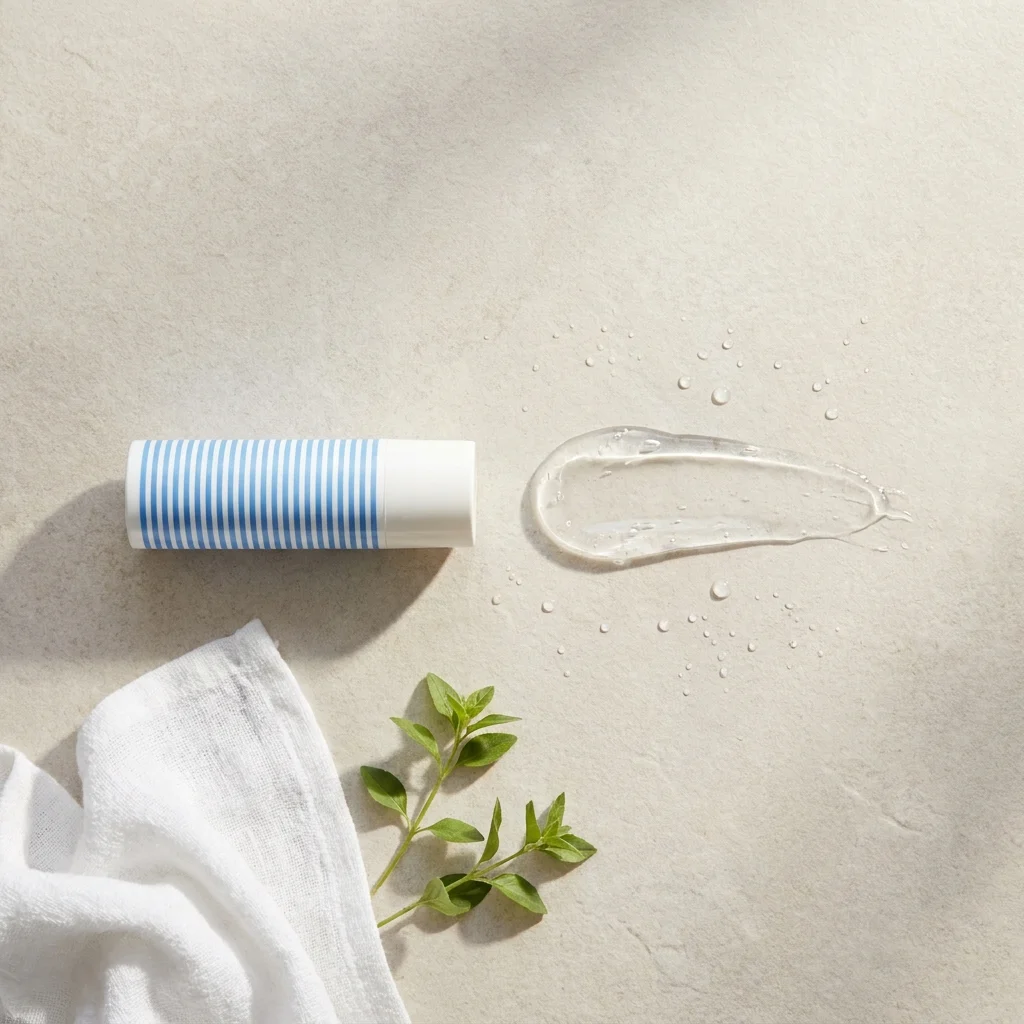
Bioré is Kao's skincare line, and the Bioré UV range is its sun care. The Aqua Rich Watery Essence sits at the lightweight end: a water-based gel-essence that spreads like a serum, sinks in within a minute, and leaves almost nothing behind.
It carries SPF50+ and PA++++, the highest ratings Japanese labelling allows. The protection comes from newer-generation UV filters — the kind widely used in Japan and Europe — which is a large part of why Japanese sunscreens manage high protection without the heavy, pasty base older formulas relied on.
SPF50+ and PA++++: what the numbers mean
Japanese labels give you two numbers, and they measure different things.
| Label | Protects against | What the rating means |
|---|---|---|
| SPF | UVB — the rays behind sunburn | Measured protection against burning. Japan caps the label at SPF50+, meaning it tested above 50 |
| PA | UVA — longer rays linked to photo-ageing, and which pass through window glass | A grade from PA+ to PA++++, based on how well it prevents UVA darkening of the skin. Four plusses is the top grade |
The PA system is Japanese in origin, which is why Japanese sunscreens tend to advertise UVA protection so prominently. For a full primer, see our guide to Japanese sunscreen.
How it feels on skin
This is where it earns its reputation.
- Texture: closer to a light lotion or gel than a cream. It spreads further than you expect, so the tube lasts.
- Finish: fresh and natural rather than matte. Skin looks like skin, slightly dewy at first, settling within a few minutes.
- No white cast: it goes on clear. This matters most on medium and deeper skin tones, where mineral-heavy sunscreens can leave a grey or lilac film.
- Under makeup: it behaves as a primer. Give it a minute to set and foundation sits smoothly on top; it does not pill under most bases.
For oily skin it is one of the better options precisely because it is so light — though "fresh" is not the same as "matte". If your T-zone shines by lunchtime, pair it with blotting paper rather than expecting the sunscreen to control oil.
How to apply it properly
Lightweight sunscreens have one trap: they feel like so little that people use too little. Labelled SPF is tested at a generous dose, and most of us apply a fraction of it.
- Make it the last step of your morning skincare, after moisturiser and before makeup.
- Use more than feels natural. A common rule of thumb is two finger-lengths for the face and neck. Apply it in two thinner layers if one heavy layer feels like a lot.
- Don't forget the edges: hairline, ears, the sides of the neck, and the area around the eyes and nose that most people skip.
- Reapply roughly every two hours outdoors, and after swimming, heavy sweating or towelling.
The tube says face and body, and it works on arms and legs — but at body quantities a small tube disappears quickly.
Washing it off
One of its quieter advantages: it is designed to come off with an ordinary face wash. No dedicated remover required. If you are wearing makeup on top, you will be cleansing more thoroughly anyway — our foam cleanser guide covers how to do that without stripping your skin.
Underneath, a plain hydrating lotion is the classic Japanese partner: it keeps skin comfortable, so the sunscreen glides instead of catching on dry patches.
Who it isn't for
No sunscreen suits everyone, and this one has a clear weak point.
It contains alcohol (ethanol). That is part of why it dries down so fast and feels cool on application. It is also why some people find it stings — particularly on compromised, eczema-prone or freshly exfoliated skin, and when it migrates into the eyes with sweat. If your skin reacts to alcohol-based products, skip it, and read our guide to sensitive skin for gentler routes.
It may also feel too light for very dry skin in winter. In that case, apply a richer moisturiser first and let it settle, or choose a milkier formula.
As with anything new, patch test on the jawline for a day or two before committing.
The rest of the Aqua Rich family
Kao sells several siblings under the same name, and they are easy to confuse on a shelf:
- Watery Gel — a slightly gelier texture in a larger bottle, popular as a face-and-body option.
- Light Up Essence — adds a subtle tone-up glow for a brighter look.
- Aqua Protect Mist — a spray format for topping up over makeup.
The Watery Essence remains the one most people start with, and the one most people come back to. For how it stacks up against the other big names, see our ranking of the best Japanese sunscreens, or browse the wider Japanese sunscreen range.
On makeup days, a cleansing oil removes sunscreen and base together in one step before your face wash.
Frequently asked questions
Is Bioré UV Aqua Rich Watery Essence waterproof? It is designed to stand up to sweat and water in everyday use, but no sunscreen survives a swim and a towel. Reapply after both.
Does it leave a white cast on dark skin? No. It applies clear, which is one of the main reasons it is recommended across skin tones.
Can I use it under makeup? Yes. Let it set for a minute and it works like a primer. It also pairs well with cushion foundations.
Why does it sting? Most likely the alcohol. Stinging is more common on irritated or over-exfoliated skin. If it persists, stop using it.
Is it good for oily, acne-prone skin? Its light texture suits oily skin well. Acne-prone skin varies, so patch test and watch for a couple of weeks.
Does it expire? Japanese cosmetics that stay stable for at least three years are not required to print an expiry date. Once opened, aim to finish it within the season, and keep it out of hot cars.
If you want one sunscreen to convert a sunscreen sceptic, this is still the obvious first purchase. For the bigger picture on filters, formats and finishes, read our Japanese sunscreen guide.