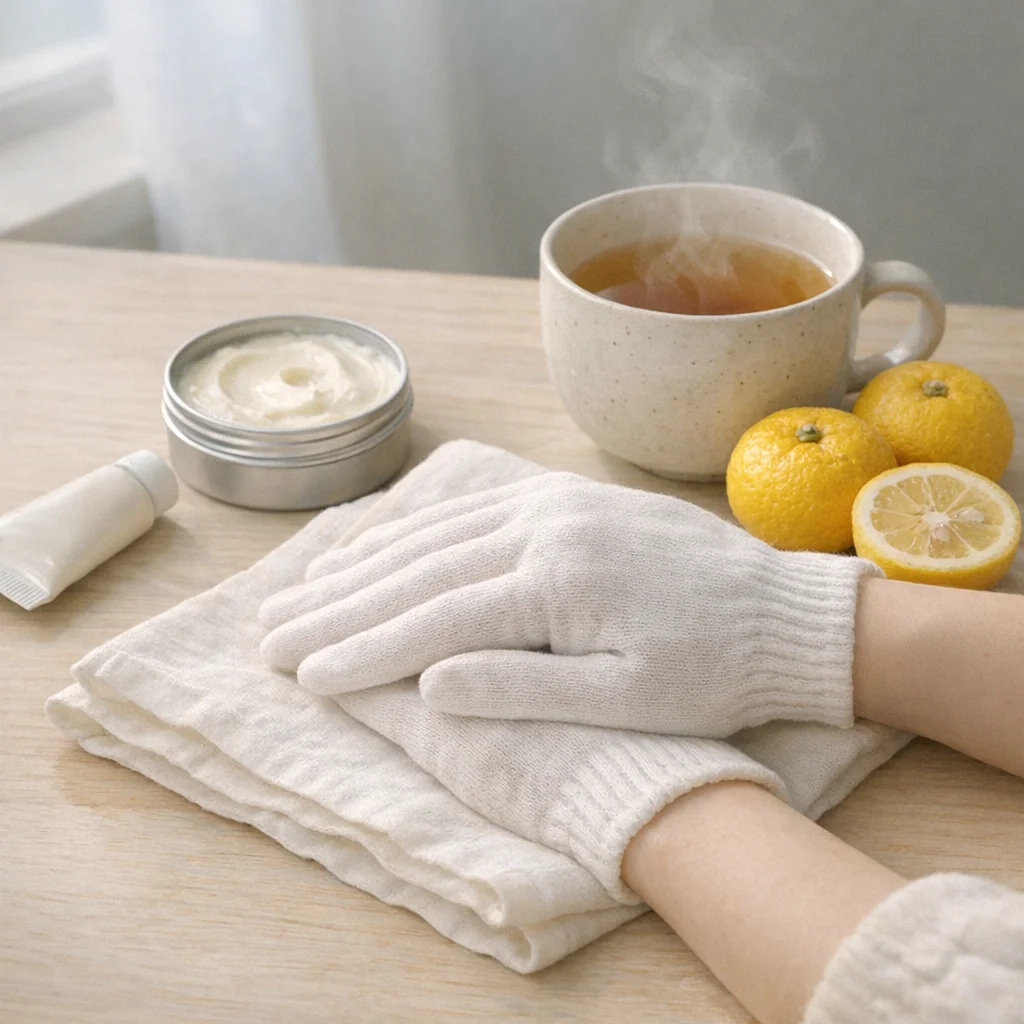
Japanese Hand Cream for Winter: Urea, Ceramides and the Glove Trick
Japanese hand cream explained: urea, ceramide and medicated creams, when to use each, the overnight cotton glove trick, plus nail, cuticle and cracked heel care.
Japanese hand cream comes in a few distinct types, and choosing the right one matters more than choosing a brand. Urea creams soften rough, thickened skin; ceramide creams support dry, sensitive hands; medicated creams target chapping; and heavy occlusives such as petroleum jelly seal everything in overnight. Used together, especially with cotton gloves at bedtime, they handle most winter hands.
This guide explains each formula type and when to use it, sets out a simple day-and-night routine, walks through the overnight glove trick, and covers nails, cuticles and cracked heels, which need the same care for the same reasons.
Why do hands get so dry in winter?
Hands have fewer oil glands on their backs than most of the face, and they are washed far more often. In winter, cold air outside and heating inside both pull water from the skin, and hot water and soap remove the oils that are left.
Japanese has precise words for the stages:
- 手荒れ (te-are). Rough, dry hands in general.
- ひび (hibi). Fine cracks across the knuckles and the backs of the hands.
- あかぎれ (akagire). Deeper cracks that turn red and sore, often on fingertips and around nails.
Japanese drugstores stock hand creams for each, and the labels often say which stage they are for.
The main types of Japanese hand cream
| Type | Key ingredients | Best for | Watch out for |
|---|---|---|---|
| Urea | 尿素 (nyōso), urea | Rough, thickened skin on knuckles, palms, heels | Can sting on cracks or broken skin |
| Ceramide | Ceramide or ceramide-like ingredients | Dry, sensitive hands; frequent washers | Lighter, so reapply often |
| Medicated | Vitamins, soothing actives (quasi-drug) | Chapped hands, hibi and akagire | Read the label's directions |
| Occlusive | Petroleum jelly, rich oils and waxes | Overnight sealing, very dry hands | Greasy in the daytime |
| Light serum or scented | Glycerin, oils, fragrance | Daytime comfort, pleasure | Less effective on serious dryness |
Many of the medicated creams are sold in Japan as 医薬部外品 (iyakubugaihin), quasi-drugs, a category between cosmetics and medicines with an approved active ingredient named on the box.
Urea: for rough, thick skin
Urea is a natural moisturising factor in skin. In a cream it attracts water, and at higher concentrations it also softens hard, rough skin. Japanese urea creams usually contain around 10% and are used on rough knuckles, elbows, knees and heels.
Urea has one drawback: it can sting on cracks, cuts and raw skin. If your hands are split, use a gentler cream until the cracks close, then return to urea to keep the skin smooth. Our guide to Japanese body lotion and body wash covers urea for the rest of the body.
Ceramides: for dry, sensitive hands
Ceramides are the lipids that hold skin cells together and keep water in. Ceramide hand creams are gentle and suit people who wash their hands constantly, such as cooks, nurses and parents of small children, and anyone whose hands react to fragrance.
Curél's hand cream uses the brand's ceramide functional ingredient and is fragrance-free. Our Curél skincare guide explains what that ingredient is.
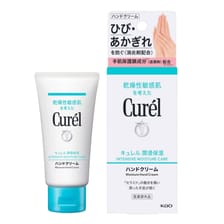
Curél
Curél Hand Cream 50g
A hand cream formulated with moisturizing ingredients such as ceramide-functioning ingredients and eucalyptus extract. It deeply hydrates the stratum corneum and protects the skin from external irritants. Its moist texture makes it ideal for daily hand care.
From 15.3 USD
Medicated creams: Yuskin and the classics
Some Japanese hand creams have been household staples for decades. Yuskin is the best known: a long-selling, thick yellow cream whose colour comes from vitamin B2. It is sold in Japan as a quasi-drug for rough, chapped skin.
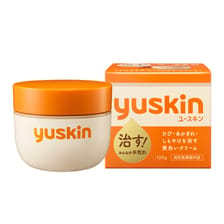
Yuskin
Yuskin Yuskin Aa 120g
A moisturizing cream for the whole body formulated with hydrating ingredients like sodium hyaluronate and vitamin C. It hydrates the skin immediately upon application, providing a lasting moisturizing effect. Comes in a 120g bottle for thorough care at home.
From 21.6 USD
Creams like this are rich, so a pea-sized amount covers both hands. Work it into the knuckles and around the nails, where cracks start.
Occlusives: the overnight seal
Petroleum jelly does not add water to skin. Instead, it forms a barrier that stops water leaving. That is why it works best on top of another cream, and why it is the secret ingredient in the overnight glove trick.
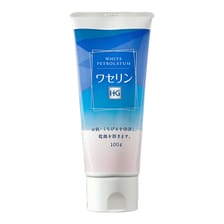
Taiyo Seiyaku
Vaseline HG
Highly purified Vaseline that protects the skin and lips and prevents dryness. By creating a veil on the skin's surface without penetrating it, it prevents moisture evaporation and retains hydration. It spreads thinly and smoothly, leaving little to no sticky feeling.
From 7.2 USD
Highly refined petroleum jelly, such as Vaseline HG, is soft and clean-feeling for something so heavy. A little goes a long way.
How does the overnight glove trick work?
Cotton gloves at night, often sold in Japanese drugstores as おやすみ手袋 (oyasumi tebukuro), "good-night gloves", are a long-standing Japanese habit for very dry hands. The gloves keep the cream on your skin rather than your pillow, and the warmth helps it sink in.
- Wash your hands with lukewarm water and a mild soap, then pat them nearly dry.
- Apply a generous layer of cream while the skin is still slightly damp. Use urea if the skin is rough but not cracked, or a medicated or ceramide cream if it is.
- Add a thin layer of petroleum jelly on the worst areas: knuckles, fingertips and around the nails.
- Put on clean cotton gloves and wear them to bed.
- In the morning, wash your hands and apply a light daytime cream.
It is an easy habit to keep up through the coldest weeks. Wash the gloves often, and keep two pairs so one is always clean.
If you would rather not sleep in gloves, Japanese drugstores also sell single-use hand masks: glove-shaped sheets soaked in cream that you wear for a short while.
A simple day-and-night routine
| Time | What to do |
|---|---|
| After every wash | A thin layer of a light or ceramide cream |
| Before going out | Hand cream, then gloves outdoors in the cold |
| While cleaning | Rubber gloves for dishes and cleaning products |
| At night | A rich cream, petroleum jelly on rough spots, cotton gloves |
| Once a week | Cuticle oil or nail serum, and gentle care of rough spots |
Keep a tube by every sink. The easiest way to apply hand cream often is never to have to look for it.
Nails and cuticles
Nails and cuticles dry out with the rest of the hand, and splits around the nail are often the first sign of trouble.
- Massage cream into the cuticles each night instead of pushing or cutting them.
- Use a nail serum or oil if your nails peel or split.
- Give polish a break now and then, and use a gentle remover.
Japan has its own take on nail polish too. Gofun nail polish is made with 胡粉 (gofun), a fine white powder from ground seashells traditionally used in Japanese painting.
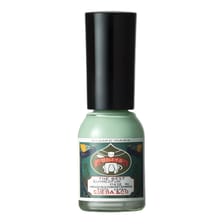
Gofun Nail
Gofun Nail Sawarabi-iro
The theme for Gofun Nail in 2026 is the rich charm of plants. The refreshing shade, like early bracken (sawarabi), gives a soft and bright impression to your hands. The gentle green maintains a balance between blending with the skin and vividness, softly adding color to your everyday life.
From 18.9 USD
What about cracked heels?
Heels crack for the same reasons hands do, made worse by dry air, thick skin and the pressure of walking. The same principles apply:
- Urea cream on rough, thickened heels every night, once any deep cracks have closed.
- A heel balm stick, such as Kobayashi's Namerakakato, for quick, mess-free application.
- Cotton socks overnight, the foot version of the glove trick.
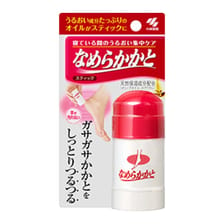
Kobayashi
Kobayashi Pharmaceutical Namerakakato Stick 30g
A stick-type foot care item rich in moisturizing oils. It moisturizes your heels and applies smoothly without getting your hands messy. Formulated with natural moisturizing ingredients, olive oil, and squalane.
From 10.8 USD
For thick, hard skin, our guide to Japanese foot peels and heel care explains the options. If cracks are deep, bleeding or not improving, or if you have diabetes or another condition that affects your feet or skin, check with a doctor or pharmacist.
For the rest of your winter routine, see our Japanese winter skincare routine for dry skin.
Frequently asked questions
What is the best type of Japanese hand cream for very dry hands? Use a rich medicated or ceramide cream by day and add petroleum jelly with cotton gloves at night. Switch to a urea cream for rough skin once any cracks have closed.
Does urea hand cream sting? It can, on cracks, cuts or raw skin. Use a gentler cream until the skin has closed, then use urea to keep it smooth.
How do overnight hand cream gloves work? The gloves keep a thick layer of cream against the skin all night and add gentle warmth, which helps rough, dry hands soften.
How often should I apply hand cream in winter? After every hand wash and before going outside, with a richer layer at night.
Is Yuskin good for cracked hands? Yuskin is a long-standing Japanese cream sold as a quasi-drug for rough, chapped skin. For deep or painful cracks that do not improve, check with a doctor or pharmacist.
Can I use hand cream on my heels? Yes. Urea creams in particular are used on hands and heels alike, ideally overnight under cotton socks.
Find urea, ceramide and medicated creams on our hand and foot care shelf.