
What Can't Be Shipped From Japan? Aerosols, Alcohol and Batteries
What can't be shipped from Japan by international mail: aerosols, perfume, alcohol over 24%, loose lithium batteries, dry ice, and what your own country adds.
What can't be shipped from Japan by international mail comes down to air-safety rules: aerosols and spray cans, perfume and nail polish, products with more than 24% alcohol, loose lithium batteries and power banks, lighters and matches, dry ice, and anything else classed as dangerous goods. On top of that, your own country keeps a list of its own, which often covers medicines, meat products and fresh food.
This guide explains each category in plain terms, why sending by sea mail does not get round the rules, what destinations tend to add, and why some well-known Japanese products never appear in our catalogue.
Why can't some things be shipped from Japan?
International mail from Japan is handled under aviation safety rules. Japan Post follows the International Air Transport Association's dangerous goods regulations, and anything those rules cover, known in Japanese as kōkū kikenbutsu (航空危険物, "air dangerous goods"), cannot be sent by international mail at all.
That last part surprises people. The ban applies to every international mail service, not just airmail: sea mail and surface parcels are refused for the same items.
Japan Post also inspects parcels after acceptance, including by X-ray. If a prohibited item is found, the parcel is returned to the sender before it leaves the country. That is why reputable shops screen products before they list them rather than hoping a parcel gets through.
The main categories, in plain terms
| Category | Everyday examples | Why it is restricted |
|---|---|---|
| Compressed gas and aerosols | Hair spray, spray sunscreen, spray deodorant, dust-off spray, camping and cassette gas | Pressurised cans can leak or burst when air pressure changes |
| Flammable liquids | Perfume, nail polish and remover, lighter fuel, paint | Vapours can ignite |
| High-alcohol products | Sunscreens, hair tonics and sanitisers above 24% alcohol | Treated as flammable liquids |
| Flammable solids | Matches, lighters, charcoal | Can ignite by friction or heat |
| Oxidisers | Bleach, peroxides | Can intensify a fire |
| Lithium batteries | Power banks, loose batteries, e-cigarettes | Fire risk; only some installed batteries are accepted |
| Other | Dry ice, mercury, liquid batteries | Gas release, toxicity or corrosion |
Most items people actually want from Japan sit nowhere near this list. Creams, gels, foams, powders, snacks, tea, knives and ceramics travel normally. It is the format that matters more than the product: the same deodorant can be impossible as a spray and unremarkable as a stick.
Aerosols and sprays: the format problem
Sprays are the category that catches most people out, because Japan makes so many good ones. UV sprays, setting sprays, hair sprays and the cooling body sprays sold every summer all come in pressurised cans, and all of them are off the table for international mail.
The answer is almost always another format of the same thing. Japanese brands usually sell a stick, roll-on, cream or gel next to the spray.
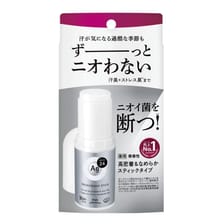
Ag DEO24
Ag DEO 24 Deodorant Stick DX
A stick-type deodorant that adheres closely to the skin to keep you comfortable. It applies smoothly and evenly, and is recommended for daily grooming.
From 16.2 USD
A deodorant line famous for its spray in Japan also comes as a stick and a roll-on, and those travel without issue. Mineral deodorant stones are another spray-free option.
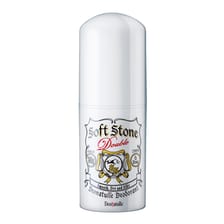
Deonatulle
Deonatulle Soft Stone W 20g
A stick-type deodorant that can be applied directly to the skin. It goes on smoothly without stickiness for easy care. Use it as part of your daily routine.
From 14.4 USD
For sun protection, gels, milks and essences are what most Japanese people wear daily anyway, and our guide to Japanese sunscreen formats explains which suits which skin.
Alcohol: drinks, cosmetics and the 24% line
Alcohol appears in two places in the rules. Alcoholic drinks are listed with flammable liquids, and Japan Post applies special conditions to sending them, while many destination countries add their own limits on alcohol by post. In practice, most mail-order shops leave drinks out.
The less obvious case is cosmetics. Japan Post lists sunscreens, hair tonics and alcohol-based sanitisers containing more than 24% alcohol among the items that cannot be sent anywhere. Many lightweight Japanese skincare and UV products list alcohol (エタノール, etanōru) among their ingredients, but labels rarely state the percentage, so products with a lot of it need checking before they can be offered for international delivery.
Perfume and nail polish are banned regardless of alcohol content, because they are flammable liquids in their own right.
Batteries and electronics
Loose lithium batteries, spare batteries and power banks cannot be sent by international mail. Lithium batteries that are installed in a device are accepted only under specific conditions, including limits on the number of cells, and only to some destinations.
For shoppers, the practical result is that small electronics from Japan are harder to send by post than most other goods, and anything sold with a separate spare battery is usually out.
Medicines and supplements: your country decides
Japan Post's own list restricts narcotics and psychotropic drugs. For ordinary medicines, the deciding rules belong to the country receiving the parcel.
Many countries limit how much medicine a person may import, require a prescription for some products, or ban particular ingredients. Some Japanese cold and cough medicines contain ingredients that are controlled elsewhere, such as codeine-related compounds or ephedrine-type decongestants. Our guide to Japanese cold and throat remedies explains the label classes on those packs.
Supplements are generally easier, but individual ingredients can still be restricted in some markets. If you take medication or have a health condition, check with a doctor or pharmacist before ordering medicines or supplements from abroad.
Food: chilled, fresh and meat products
Food raises two separate questions. The first is temperature. Anything labelled yō reizō (要冷蔵, "keep refrigerated") or frozen cannot travel by ordinary mail, because there is no cold chain and dry ice is itself prohibited.
The second is biosecurity at the destination. Meat and many meat-containing products, fresh fruit and vegetables, seeds, plants and some dairy products are commonly restricted, and some countries, Australia and New Zealand among them, are especially strict. Shelf-stable snacks, tea, seasonings and instant foods are what usually travel well. Our guide to Japanese expiry dates explains the date labels on those packs.
Why some Japanese favourites aren't in our shop
When you cannot find a product that is everywhere in Japan, one of these reasons is usually behind it:
- It is a spray. UV sprays, hair sprays and spray deodorants are the most common gap.
- It is a flammable liquid. Perfume, nail polish and some alcohol-rich products.
- It contains a lithium battery that cannot travel by mail.
- It needs refrigeration.
- It is restricted in many destinations, such as certain medicines.
Customs duty and taxes are a separate question from what is allowed; see our guide to customs duty on Japanese cosmetics and supplements. For delivery times, read how long shipping from Japan really takes.
Frequently asked questions
Can you ship sunscreen from Japan? Yes, in most formats. Gels, milks, essences and creams travel normally; spray sunscreens cannot be mailed, and products with more than 24% alcohol are also excluded.
Can you ship perfume from Japan? Not by international mail. Perfume is classed as a flammable liquid, and Japan Post refuses it in every service.
Does sea mail allow items that airmail doesn't? No. Japan Post refuses air dangerous goods in all international mail services, including sea mail.
Can lithium batteries be shipped from Japan? Loose batteries and power banks cannot. Batteries installed in a device are accepted only under specific conditions and only to some destinations.
What happens if a parcel contains a prohibited item? Japan Post inspects parcels after acceptance, and a parcel with a prohibited item is returned to the sender before it goes abroad.
Can I order Japanese medicines from abroad? It depends on your country's rules, which often limit quantities or ban certain ingredients. Check with a doctor or pharmacist, and with your customs authority, first.
Our delivery page sets out the shipping options we offer and where we send parcels.