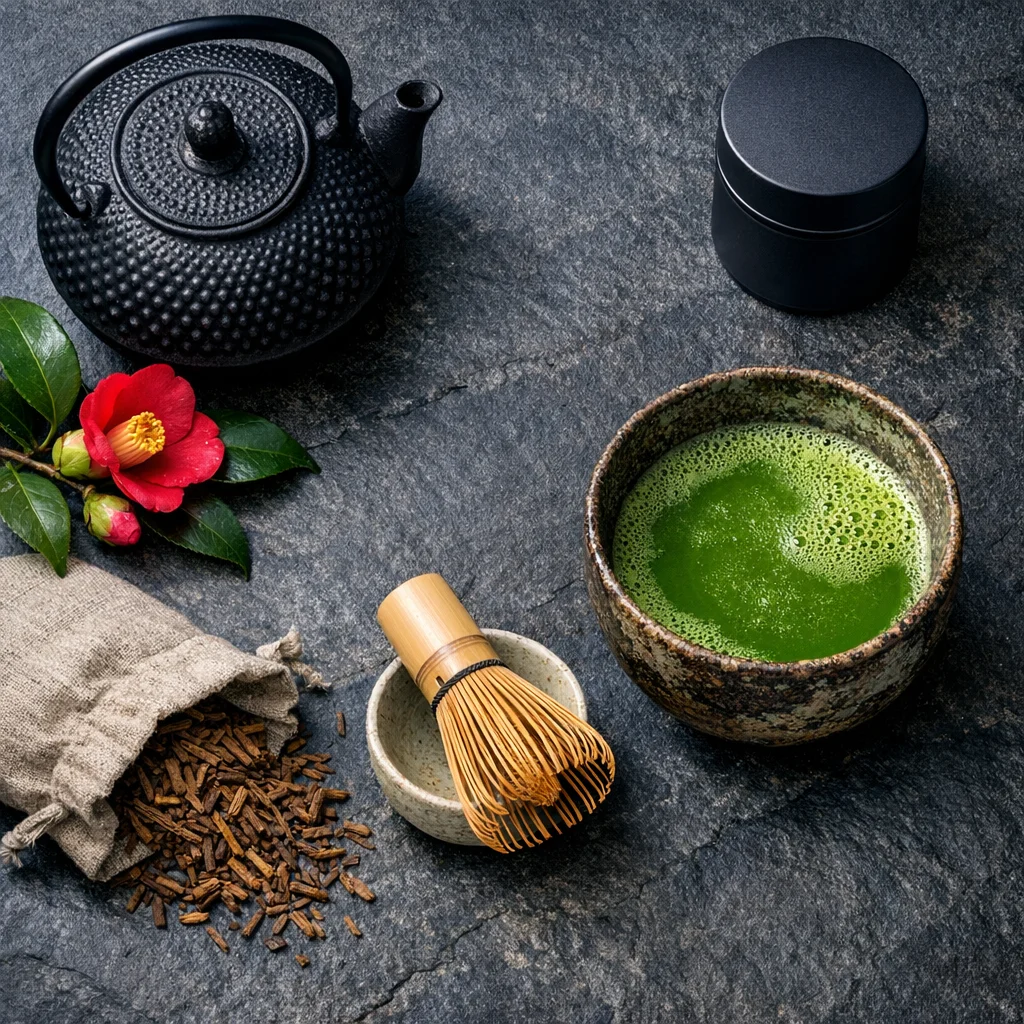
Japanese Tea Gifts: Matcha Sets, Hojicha and Teaware Explained
How to choose a Japanese tea gift: matcha grades, whisk sets, hojicha and leaf teas, cast iron kettles and teapots, and how to build a set at any level.
A good Japanese tea gift is one of three things: a fresh tin of matcha with a bamboo whisk, a bag of roasted hojicha or leaf tea, or a piece of teaware that will last for decades. The right choice depends on how the person already drinks tea, not on how ceremonial you want the gift to look.
This guide explains matcha grades in plain terms, what goes into a whisk set, which leaf teas make easy gifts, the difference between a cast iron kettle and a cast iron teapot, and how to put a set together whether you want something small or something generous.
How do you choose a Japanese tea gift?
Start with the person, then pick the tea. This table covers most people on a gift list.
| If they... | Give them | Why |
|---|---|---|
| Drink matcha lattes | A daily-grade matcha or a sweetened matcha mix | It fits a habit they already have |
| Are curious but new | An entry-grade matcha for thin tea and a whisk | Everything needed for a first bowl |
| Already know matcha | A higher grade from a Kyoto tea house | They will taste the difference |
| Prefer gentle, toasty tea | Hojicha or genmaicha | Easy to brew, easy to like |
| Have every tea already | A cast iron kettle or teapot | Used daily, kept for years |
A tea gift that never gets opened is the most common disappointment, so it is better to match the tea to an existing habit than to aim for the most formal option.
Matcha grades, explained for gift buyers
Matcha (抹茶) is shade-grown green tea ground into a fine powder. In the West it is often sold as "ceremonial" or "culinary", but Japanese tea houses usually name their own grades instead, and those names tell you how the tea is meant to be prepared.
- Usucha (薄茶, "thin tea"): the frothy everyday bowl, whisked with more water.
- Koicha (濃茶, "thick tea"): a dense, almost syrupy preparation that needs the smoothest, highest grades.
Marukyu Koyamaen, a long-established Uji tea house, puts it simply: any of its matcha can be whisked as usucha, but only Kinrin and the grades above it are suited to koicha. Aoarashi is one of its entry grades for thin tea, bright and fresh rather than deep.
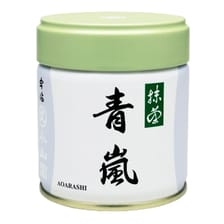
Marukyu Koyamaen
Marukyu Koyamaen Matcha Aoarashi
Uji matcha with a refreshing taste. Recommended for making usucha (thin tea), as well as sweets combined with milk and cream.
From 26.1 USD
Kinrin is the step up for someone who already whisks matcha at home and wants a rounder, sweeter bowl.
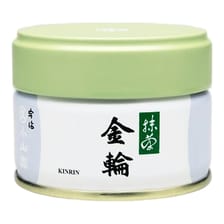
Marukyu Koyamaen
Marukyu Koyamaen Matcha Kinrin
Characterized by a refreshing, rich flavor and a smooth aftertaste, this is one of the most popular matcha teas from Marukyu Koyamaen.
From 36.9 USD
Two practical points matter more than the label. Matcha is sold in small tins because it fades once opened, and tea houses advise using it within a few weeks of opening. Store it sealed and cool, away from light and strong smells. Our guide to choosing and whisking matcha goes deeper on grades and technique.
The whisk set: chasen, scoop and bowl
A bowl of matcha needs very little equipment, but each piece does a job:
- Chasen (茶筅): the bamboo whisk, carved from a single piece of bamboo. The village of Takayama in Nara is the traditional home of chasen making. Around 80 prongs is a good all-round choice for thin tea; finer whisks with more prongs make lighter foam, while koicha is stirred with fewer, thicker prongs.
- Chashaku (茶杓): the bamboo scoop. Two scoops is roughly one bowl.
- Chawan (茶碗): the tea bowl. Wide and flat-bottomed, so the whisk can move freely.
- Kusenaoshi (くせ直し): a ceramic whisk holder that helps the prongs keep their shape as they dry.
Tell the recipient how to care for the whisk: soak it briefly in warm water before use so the prongs soften, rinse it without soap afterwards, and let it dry upright or on its holder. A whisk treated this way lasts much longer.
Hojicha, sencha and genmaicha: leaf tea gifts
Not everyone wants to whisk. Leaf teas are easier gifts because anyone with a teapot or a mug and strainer can enjoy them.
Hojicha (焙じ茶) is green tea roasted until it turns reddish brown. The roasting gives it a toasty, nutty aroma and a mellow taste with little bitterness, and it is forgiving to brew with boiling water. Ippodo, the old Kyoto tea house, sells a top-grade gokujō (極上) roast.
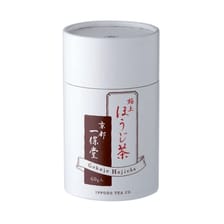
Ippodo Tea
Ippodo Tea Hojicha
A highly aromatic hojicha from Ippodo Tea, a long-established tea shop in Kyoto. It features a rich roasted aroma from carefully roasted tea leaves and a refreshing taste. Enjoy it on various occasions, from daily meals to relaxing moments.
From 14.4 USD
Sencha (煎茶) is the everyday steamed green tea of Japan, and fukamushi (深蒸し, deep-steamed) sencha brews darker and richer. Genmaicha (玄米茶) blends green tea with roasted rice, and versions with a little matcha added brew a brighter green. Our guide to Japanese green tea types explains how each one tastes and how hot the water should be.
Teaware that lasts: kyusu and cast iron
Teaware is the gift people keep. The two pieces most often given are a small teapot for leaf tea and a cast iron kettle for boiling water.
A kyusu (急須) is the Japanese teapot, usually with a side handle so it pours with a twist of the wrist, and a built-in strainer for fine leaves. Clay pots from Tokoname and Banko are the classics.
Cast iron is where buyers most often get confused, because there are two different objects:
| Cast iron kettle (鉄瓶, tetsubin) | Cast iron teapot (鉄急須, tetsu kyūsu) | |
|---|---|---|
| Used for | Boiling water | Steeping tea |
| Goes on the stove | Yes | No |
| Inside | Bare iron | Usually enamel-lined |
| Care | Empty and dry with residual heat after each use | Rinse, dry, never heat empty |
Nambu tekki (南部鉄器), the cast iron of Iwate prefecture, is the best-known tradition. Oigen, one of the old Iwate foundries, makes both kinds. Its hobnail-pattern Arare kettle is a classic shape for boiling water every morning.
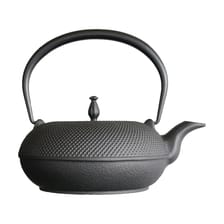
OIGEN
OIGEN Shinonome Arare Iron Kettle 1L
A 1L iron kettle featuring the traditional "Arare" pattern of Nanbu Tekki. Its slightly flat shape allows for smooth pouring with just a gentle tilt. Compatible with direct heat and IH cookers, it offers a robust build perfect for daily life.
From 203.4 USD
A small enamel-lined iron teapot with its own trivet is the gentler option: it keeps tea warm at the table and needs nothing more than a rinse.
For how cast iron behaves and how to keep it rust-free, see our guides to Nambu tekki and to Japanese kettles and tea drinkware.
How to put together a tea gift set
You do not need a boxed set. Assemble one around the person, at the level of effort that suits the occasion.
- The small gift. One tin of matcha or one bag of hojicha, with a short note on how to brew it. Easy to post, easy to use up.
- The starter set. An entry-grade matcha, an 80-prong whisk and a scoop. Add a bowl if they do not own a wide one.
- The generous set. A higher-grade matcha, a whisk and holder, and a cast iron kettle or teapot they will use long after the tea is gone.
- The everyday set. Hojicha, sencha and genmaicha side by side, so they can find their favourite.
Tea is light and compact, which makes it a sensible gift to send abroad. For more ideas for people who love to eat and drink, see our Japanese food gifts for foodies.
Frequently asked questions
What is a good Japanese tea gift for a beginner? An entry-grade matcha for thin tea with a bamboo whisk and scoop. If they are unlikely to whisk, hojicha is easier to brew and very easy to like.
Is "ceremonial grade" matcha the best gift? Not necessarily. The label is used loosely outside Japan. A tea house's own grade names, such as those marking teas suited to koicha, tell you more about quality.
How long does matcha keep? Unopened, it keeps until the date on the tin when stored cool and dark. Once opened, tea houses advise using it within a few weeks, because aroma and colour fade.
Can a cast iron teapot go on the stove? No. Enamel-lined iron teapots are for steeping only. A cast iron kettle, or tetsubin, is the one made for boiling water.
Is hojicha caffeine-free? No. Hojicha is roasted green tea, so it contains caffeine. Many people find it gentle in the evening, but for a caffeine-free option look at barley tea.
Do I need to include a whisk with matcha? For a matcha drinker who already owns one, no. For anyone new, a whisk makes the difference between a smooth bowl and a lumpy one.
Browse our full matcha shelf or the Japanese kettles collection.