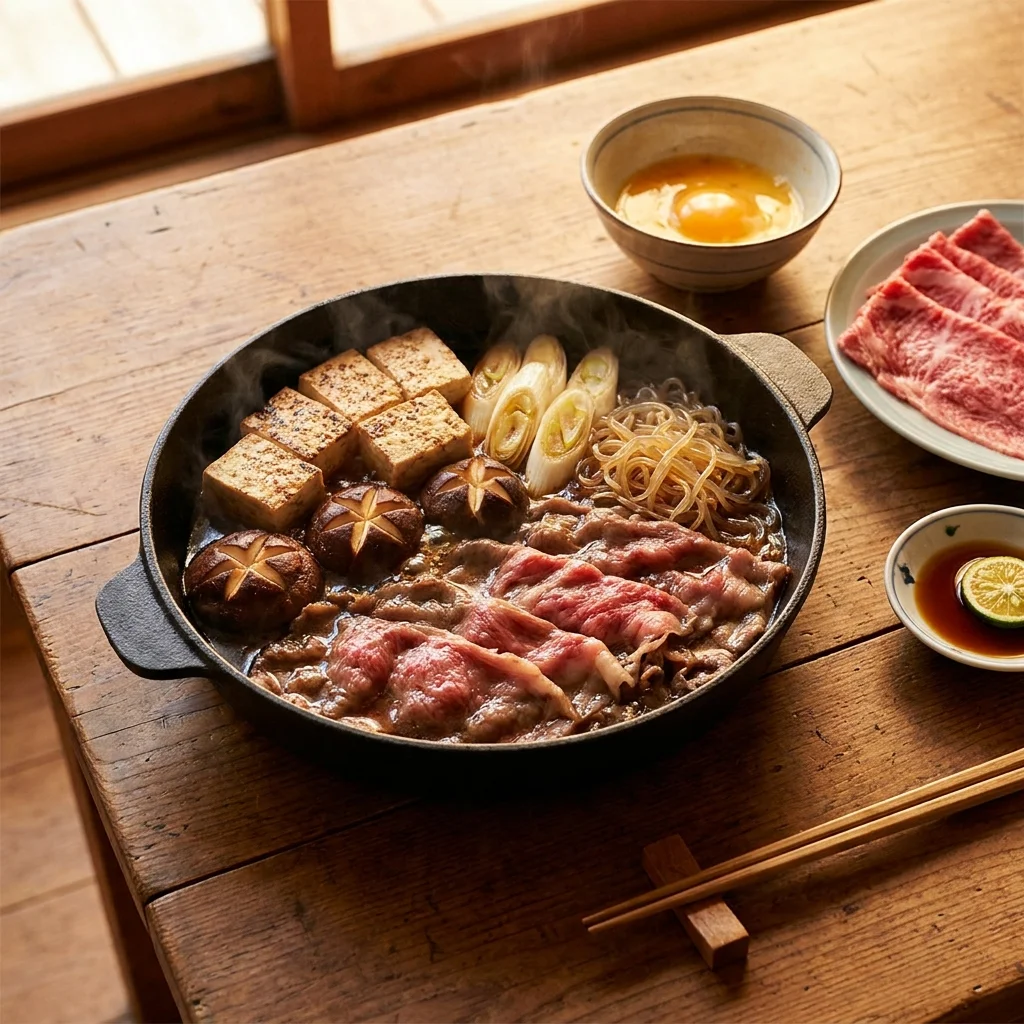
Sukiyaki and Shabu-Shabu at Home: Japan's Two Great Hot Pots
Sukiyaki and shabu-shabu at home: the sweet-soy simmer and the swish-and-dip pot, with sauces, the right beef, the kit and the noodle finish that ends the meal.
Japan's two great beef hot pots look alike on paper — thin-sliced meat, vegetables, a pot in the middle of the table — and are opposites in practice. Sukiyaki is sweet, rich and simmered in a shallow iron pan. Shabu-shabu is light and clean: the meat is swished through hot kombu broth for a few seconds, then dipped in sauce.
Both are built for winter evenings and for sharing, and both are easy once you know the method. This guide covers sukiyaki and shabu-shabu at home: the two sukiyaki styles, a warishita recipe, the dipping sauces, how to slice the beef, and the noodle or rice finish that ends the meal.
Sukiyaki vs shabu-shabu at a glance
| Sukiyaki (すき焼き) | Shabu-shabu (しゃぶしゃぶ) | |
|---|---|---|
| Flavour | Sweet-savoury soy | Light; the sauce does the seasoning |
| Liquid | Shallow, concentrated warishita | Plenty of kombu dashi |
| Pan | Shallow cast iron | Deep pot or donabe |
| Beef | Thin-sliced, about 2 mm | Paper-thin, about 1–1.5 mm |
| Dip | Beaten egg | Ponzu or sesame sauce |
| Finish | Udon in the leftover sauce | Udon or zōsui rice porridge |
Sukiyaki is the older of the two: beef hot pots became fashionable in the late 19th century, as Japan started eating beef in earnest. Shabu-shabu was popularised in Osaka restaurants in the 1950s, and its name imitates the sound of meat being swished through broth.
Kantō or Kansai? The two sukiyaki methods
Sukiyaki splits along the same east–west line as much of Japanese cooking.
Kantō (Tokyo) style simmers everything in warishita (割り下), a pre-mixed sauce of soy, mirin, sake and sugar. It is forgiving and consistent, and the one to choose for a first attempt.
Kansai (Osaka and Kyoto) style starts by searing beef in the hot pan, sprinkling sugar directly on it and pouring soy sauce over. The first slices are eaten straight away; vegetables follow, and the pan is adjusted with sake or water as you go. It is closer to grilling than simmering, and that first caramelised slice is why its fans defend it.
Warishita recipe (serves 2–3)
- 100 ml soy sauce
- 100 ml mirin
- 50 ml sake
- 2–3 tbsp sugar
- 100 ml water or dashi, to taste
Bring everything to the boil in a small pan, simmer for a minute to cook off the alcohol, and set aside. Keep extra water nearby: the sauce reduces at the table and needs loosening.
A bottled sukiyaki sauce does the same job, and it is what a great many Japanese households actually use.
What goes in the sukiyaki pan
For 2–3 people:
- 400 g thinly sliced, well-marbled beef
- 1 block grilled tofu (yaki-dōfu), cut into cubes
- 200 g shirataki noodles, rinsed and blanched
- 2 Japanese leeks (negi) or slim leeks, cut on the diagonal
- A bunch of shungiku (chrysanthemum greens), or spinach or watercress
- 6 shiitake, caps scored with a cross
- Heat the pan and rub it with a piece of beef fat or a little oil.
- Kantō style: pour in a shallow layer of warishita. Kansai style: sear a few slices of beef, then add sugar and soy.
- Arrange the tofu, leeks, mushrooms and shirataki in sections. Keep the shirataki away from the beef; it is commonly said to toughen it.
- Add beef a few slices at a time as you eat, so it is never overcooked.
- Add the greens last; they need seconds, not minutes.
Traditionally each piece is dipped in beaten raw egg, which cools the meat and softens the sweetness. Outside Japan, use pasteurised eggs: eggs elsewhere are often not produced to be eaten raw and carry a risk of salmonella. Anyone pregnant, very young, elderly or with a weakened immune system should skip the raw egg altogether.
How to make shabu-shabu
- Soak a 10 cm piece of kombu in 1.5 litres of water for 30 minutes, then heat it and lift the kombu out just before the water boils.
- Arrange thinly sliced beef or pork, napa cabbage, carrot ribbons, tofu, mushrooms and leeks on platters.
- At the table, pick up one slice of meat and swish it through the simmering broth two or three times, until just cooked. Dip and eat.
- Skim off the foam (aku) as it rises, and cook the vegetables in batches.
The broth is deliberately plain; the dipping sauces carry the flavour. Ponzu, sharp with citrus, is the classic, often with grated daikon and spring onion stirred in.
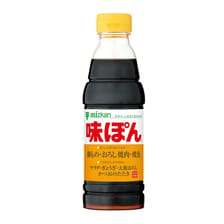
Mizkan
Mizkan Ajipon
A uniquely flavored seasoning blending citrus juice, brewed vinegar, and soy sauce. Widely versatile, it is perfect for hot pot dishes, yakiniku with grated radish, grilled fish, gyoza, and chilled tofu.
From 5 USD
Sesame sauce (goma-dare) is the rich, nutty alternative, and most tables set out both.
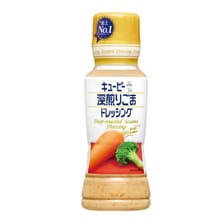
Kewpie
Kewpie Deep Roasted Sesame Dressing
A sesame dressing crafted with a rich aroma that captures the flavor of deeply roasted, freshly ground sesame seeds. Its mellow richness brings out the best in your salads.
From 6 USD
Both bottles are covered in more depth in Japan's table sauces explained.
Slicing the beef and setting the table
The most useful trick: put the beef in the freezer for one to two hours, until firm but not solid, then slice it as thinly as you can with a sharp knife. Many Asian grocers also sell beef ready-sliced for hot pot.
A shallow cast-iron sukiyaki pan holds heat and browns the meat properly; our Nambu tekki cast iron guide covers looking after one. For shabu-shabu a wide clay pot is traditional — see the donabe guide.
Cook at the table on a portable induction hob or tabletop burner, which is the whole point: everyone cooks their own slices and the meal sets its own pace. If you are using induction, check the pot works on it — cast iron does, most clay pots do not.
The shime: finishing the pot
Japanese hot pot ends with shime (締め), the finish that uses up the broth. After sukiyaki, cook udon in the remaining sauce until it soaks up the sweetness. After shabu-shabu, add udon or make zōsui: cooked rice simmered in the broth with a beaten egg, a pinch of salt and a little soy, finished with spring onion.
It is many people's favourite part of the meal, and the reason to stop eating meat slightly before you are full — a habit with its own name, covered in our piece on hara hachi bu.
Frequently asked questions
What is the difference between sukiyaki and shabu-shabu? Sukiyaki is simmered in a sweet soy sauce in a shallow pan and dipped in egg. Shabu-shabu is cooked in light kombu broth and dipped in ponzu or sesame sauce.
What cut of beef is best for sukiyaki? A well-marbled cut such as ribeye or sirloin, sliced about 2 mm thick. The fat is what keeps it tender in the sauce.
Is it safe to eat raw egg with sukiyaki? In Japan, eggs are produced to be eaten raw. Elsewhere, use pasteurised eggs or skip the dip, and avoid raw egg entirely if you are pregnant, very young, elderly or immunocompromised.
What is the dipping sauce for shabu-shabu? Ponzu and sesame sauce are the two classics. Most people use both, switching between meat and vegetables.
Can I use pork for shabu-shabu? Yes, pork shabu-shabu is common in Japan. Cook each slice until no pink remains.
What is warishita? The pre-mixed sukiyaki sauce of soy, mirin, sake and sugar used in the Kantō style.
Start with Kantō-style sukiyaki for a first attempt and keep the ponzu for the shabu-shabu night that follows. For the kombu broth underneath it, see Japanese dashi, explained.